WhatsApp
 Eric.wang@ltzzc.com
 0086-379-69950051

LTZC Thin-Section Bearings Pass Testing and Acceptance
In the realm of modern high-end equipment manufacturing, equipment structures are evolving toward greater lightweighting, compactness, and high precision. Aerospace equipment, industrial robots, medical imaging systems, and automated production lines all require core components capable of delivering stable rotational performance within confined spaces. Driven by these technical demands, Thin-Section Bearingshave gradually emerged as indispensable key components in precision machinery.
As an enterprise dedicated to the R&D and manufacturing of slewing and precision bearings, LTZC has continuously increased its investment in the field of thin-section bearings in recent years. By leveraging advanced materials, precision machining processes, and a rigorous quality control system, the company provides global customers with highly reliable thin-section bearing products. Recently, a batch of LTZC Thin-Section Bearings successfully passed customer acceptance after undergoing rigorous performance testing—once again validating LTZC's technical prowess in precision bearing manufacturing.
What Are Thin-Section Bearings
Thin-section bearings are a class of precision bearings characterized by their small cross-sectional dimensions, thin walls, and lightweight construction, yet they remain capable of supporting high loads. Compared to traditional rolling bearings, the defining feature of thin-section bearings is that their cross-sectional dimensions remain essentially constant even as their inner diameter increases; this enables a more compact structural design for equipment.
Simply put, thin-section bearings provide high-precision rotational motion within limited spaces while simultaneously reducing the overall weight of the equipment. This makes them an ideal choice for a wide range of high-end machinery and devices.
Structural Components of Thin-Section Bearings
Inner Ring
Outer Ring
Rolling Elements (Steel Balls)
Cage/Retainer
Sealing Mechanism
Key Features of Thin-Section Bearings Compared to Standard Bearings
1. Constant Cross-Sectional Dimensions
In traditional bearing designs, the cross-sectional dimensions typically increase in proportion to the bearing's diameter. Thin-section bearings, however, utilize a constant cross-section design—meaning that bearings with different inner diameters maintain identical cross-sectional dimensions. This design effectively conserves installation space.
2. Lighter Weight
The thin-wall structure significantly reduces the amount of material required. By adopting this slender profile, the bearing's weight is substantially reduced, thereby lowering the overall load on the equipment.
3. High Rotational Precision
Thin-section bearings typically employ high-precision manufacturing techniques—particularly in processes such as gear grinding—to ensure precise gear geometry and optimal meshing. This enables them to meet the stringent rotational precision requirements of sophisticated equipment.
4. Support for Multiple Load Types
Depending on their specific structural design, thin-section bearings can accommodate various types of loads: radial loads, axial loads, and overturning moments. This versatility allows them to adapt effectively to complex operating environments.
Application Areas for Thin-Section Bearings
Industrial Robotics
Semiconductor Manufacturing Equipment
Medical Imaging Equipment
Radar Systems
Aerospace Equipment
Automation Systems
Precision Inspection Instruments
In these fields, space is often extremely limited, yet the equipment requires stable and precise rotational motion; consequently, thin-section ball bearings serve as a critical solution.
What Types of LTZC Thin-Section Bearings ?
In the field of thin-section bearings, various applications impose distinct requirements regarding load-carrying capacity, rotational precision, and structural configuration. To address these diverse needs, LTZC has developed a comprehensive range of thin-section bearing products. This portfolio includes three of the most common structural types—configurations that are also widely recognized within the industry as the "Silverthin bearings" series.
1. Deep Groove Ball Thin-Section Bearings
The deep grove ball thin-section bearing represents the most common structural form. Essentially a lightweight, compact variant of the standard deep groove ball bearing, its core design features extremely thin inner and outer rings with a minimal cross-sectional difference. This design allows for significant space savings and weight reduction while simultaneously maintaining high rotational precision and robust combined load-carrying capabilities.
Deep Groove Ball Thin-Section Bearings Structural Features
Single-row ball configuration
Deep groove raceway design
Stable operation
Low frictional resistance
Deep Groove Ball Thin-Section Bearings Applications
Automation equipment
Conveyor systems
Light machinery
Medical instruments
In numerous automated systems, radial contact thin-section bearings provide stable rotational support while ensuring the equipment remains compact in structure.
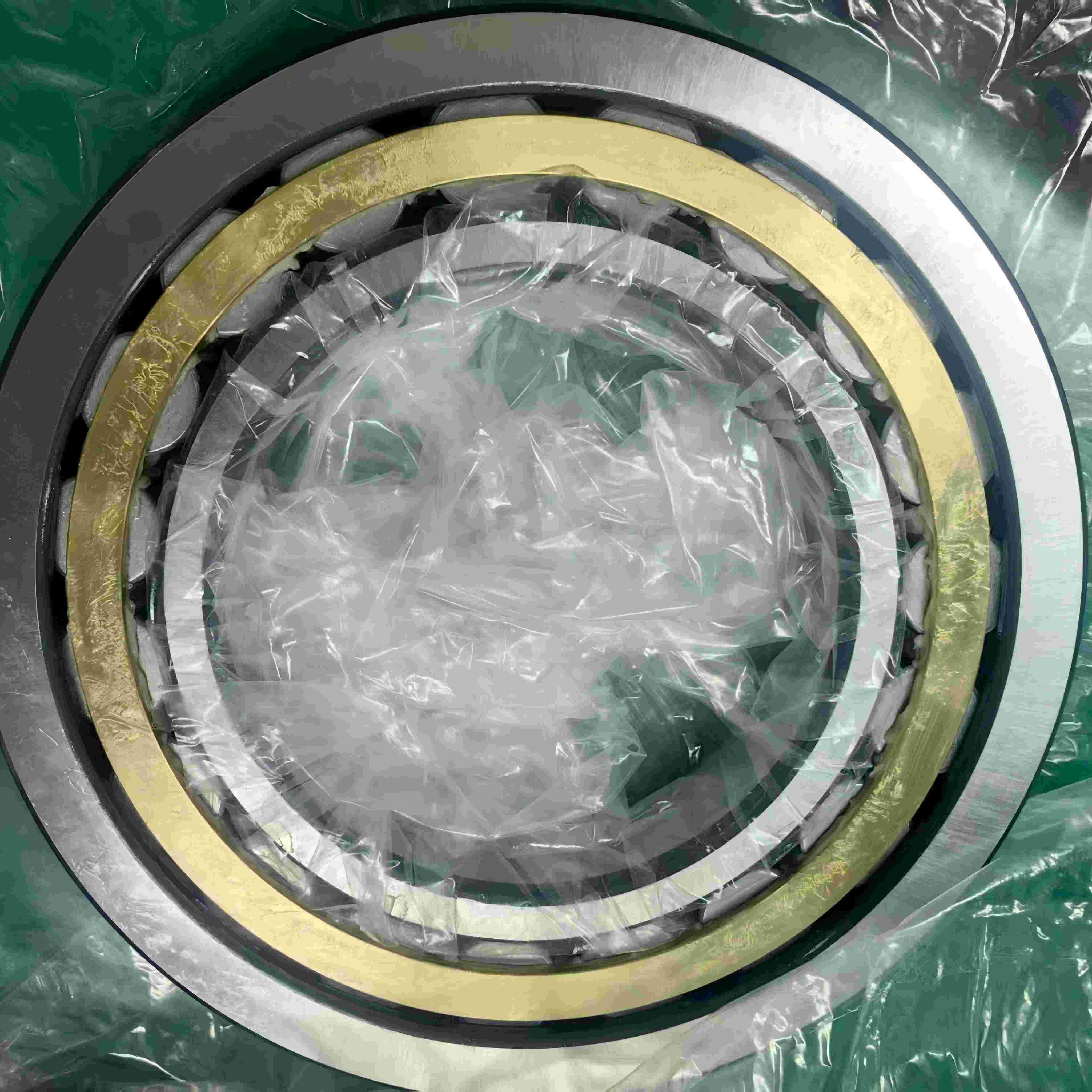
2. Four-Point Contact Thin-Section Bearings
The four-point contact thin section bearing structure constitutes a critical category within the thin-section bearing family—specifically, it offers the highest combined load-carrying capacity among all thin-section types. Its distinctive design allows a single row of balls to simultaneously accommodate bidirectional axial loads and overturning moments, thereby achieving unparalleled compactness and weight efficiency.
Four-Point Contact Thin-Section Bearings Features
Can replace two separate angular contact bearings
Saves installation space
Reduces equipment weight
Enhances system rigidity
Four-Point Contact Thin-Section Bearings Application
Industrial robot joints
Radar antenna systems
Optoelectronic tracking equipment
Automated inspection systems
By optimizing raceway angles and employing advanced material treatment technologies, LTZC ensures that this series of bearings maintains stable performance even under high-speed operation and in complex loading environments.
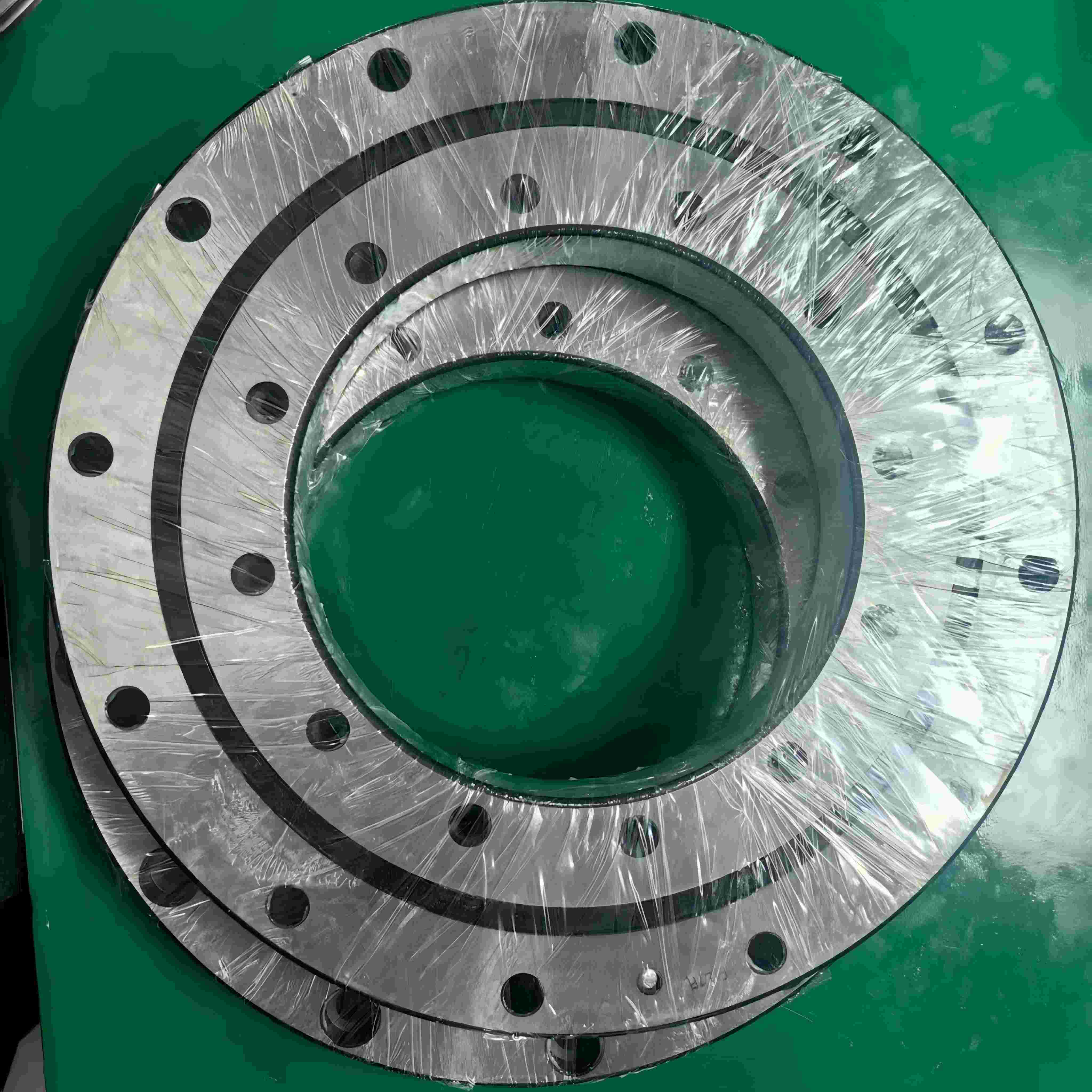
3. Angular Contact Thin-Section Bearings
Angular contact thin-section bearings feature a raceway design with a single contact angle, establishing a two-point contact between the balls and the raceway. The larger the contact angle, the greater the bearing's capacity to withstand axial loads. These bearings are primarily designed to accommodate combined loads and are particularly well-suited for equipment requiring high-precision positioning.
Angular Contact Thin-Section Bearings Features
Optimized Contact Angle Design
High Rotational Precision
Suitable for High-Speed Operation
Angular Contact Thin-Section Bearings Applications
Precision Machine Tools
Aerospace Equipment
Medical Scanning Devices
Precision Robotics
Through high-precision grinding techniques and rigorous assembly processes, LTZC ensures that its angular contact thin-section bearings maintain low vibration and low noise levels, even during high-speed rotation.
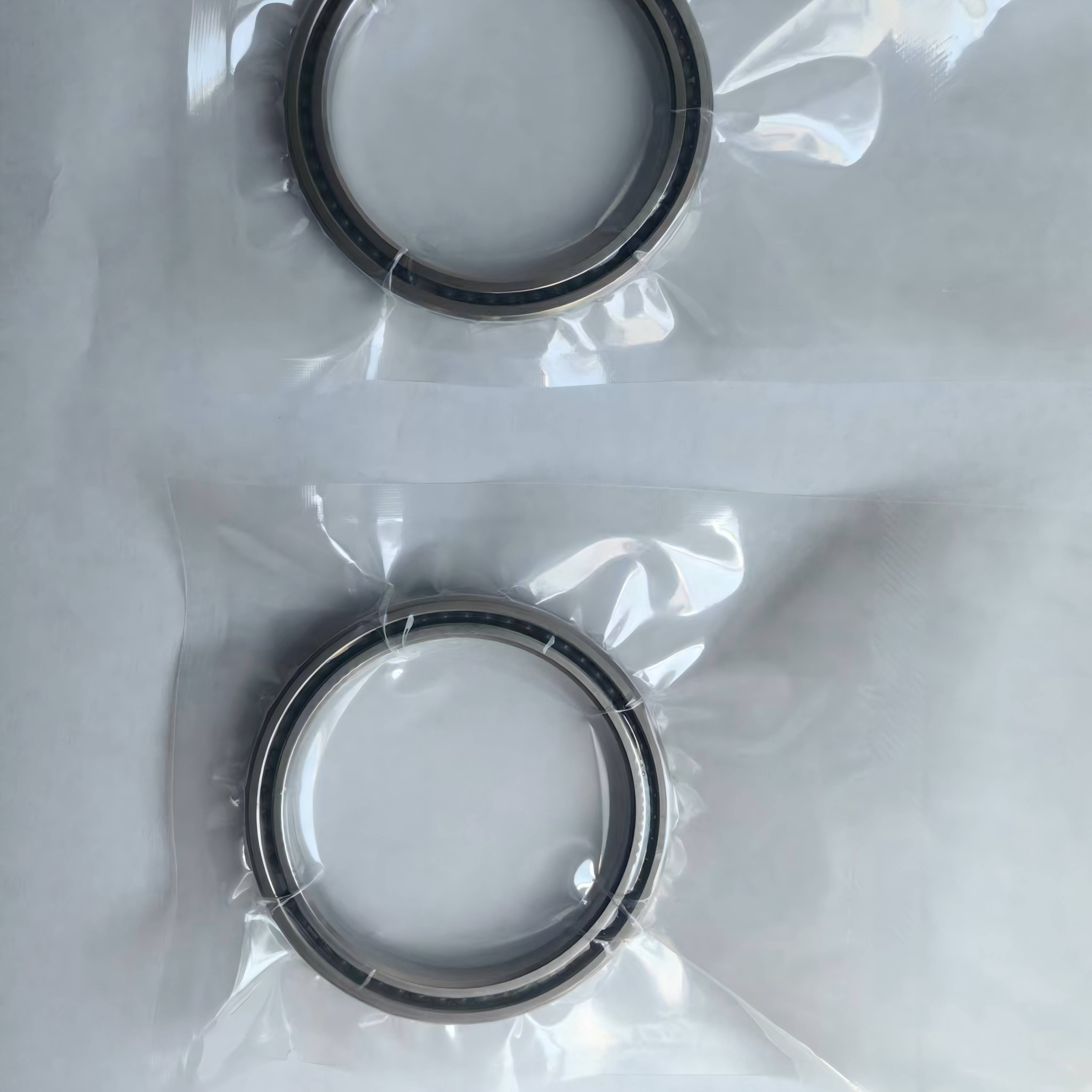
Case Study: LTZC Thin-Section Bearings Successfully Pass Testing and Acceptance
Recently, a batch of Thin-Section Bearings—custom-manufactured by LTZC for a high-end automation equipment manufacturer—successfully completed testing and passed the client's final acceptance. This project imposed exceptionally rigorous requirements regarding bearing precision, stability, and durability.
The client is an enterprise specializing in the R&D of precision automation equipment; their machinery requires high-precision rotational motion within extremely confined spaces while maintaining stable, long-term operation. Traditional bearing structures proved unable to accommodate the equipment's compact design requirements, prompting the client to opt for thin-section ball bearings. Following extensive technical consultations, the client ultimately chose to partner with LTZC to custom-develop a specialized thin-section bearing solution.
Technical Challenges
This project presented several significant technical challenges:
Extremely limited internal space within the equipment
Bearings required to withstand complex combined loads
Equipment designed for continuous, long-term operation
Exceptionally high requirements for rotational precision
LTZC Thin-Section Ball Bearing Solution
Bearing Type :Four-Point Contact Thin-Section Bearing
Inner Diameter :480 mm
Outer Diameter :520 mm
Cross-Section Size :20 mm
Number of Steel Balls :78
Material :GCr15 High-Carbon Chromium Bearing Steel
Design Life :30,000 Hours
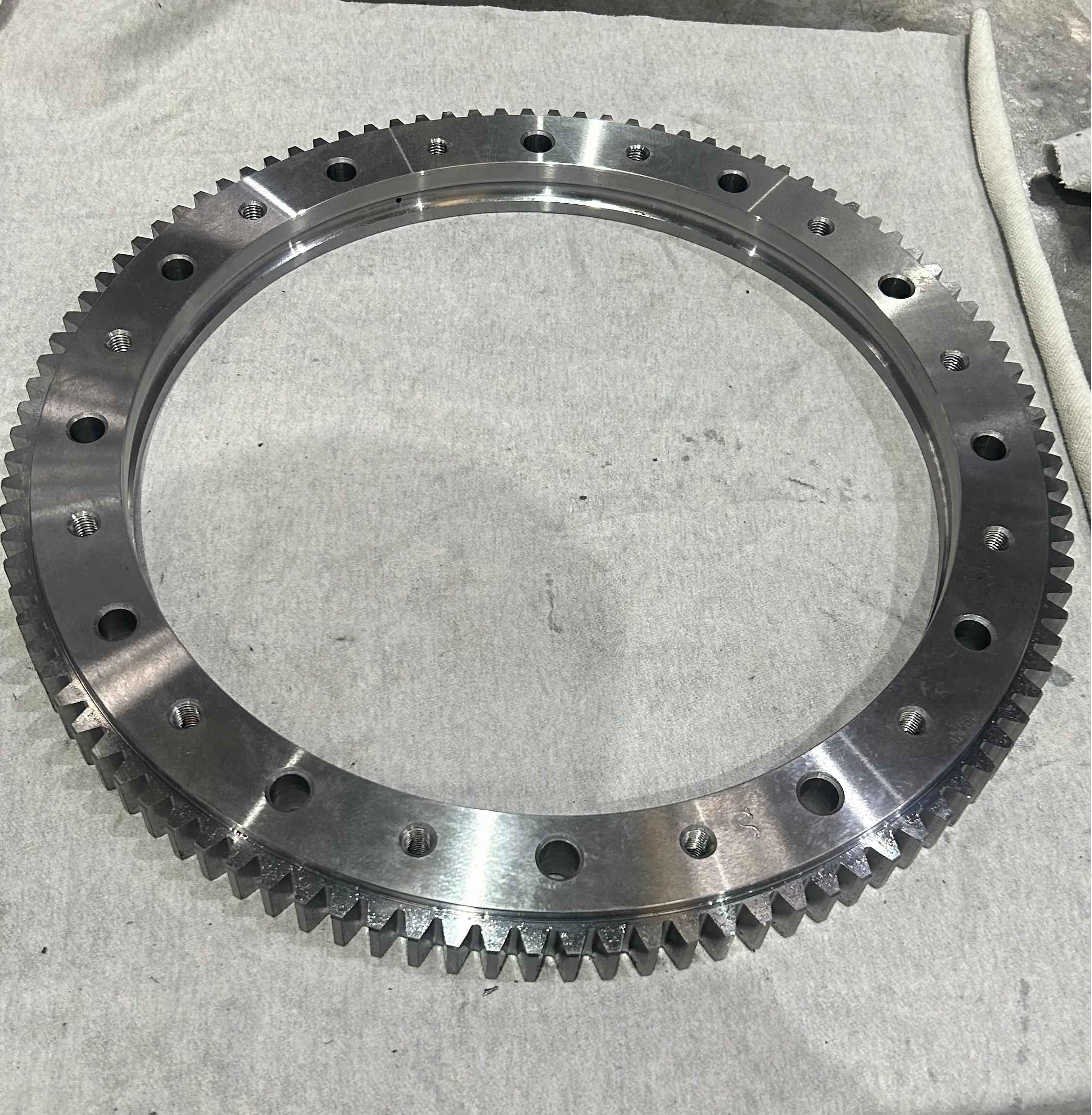
Thin-Wall Ball Bearing Test Results
1. Dimensional Accuracy Inspection Results
Thin-section bearings feature thin walls and demand exceptionally high machining precision. If dimensional errors are excessive, the operational stability of the equipment will be directly compromised. Consequently, upon the completion of processing, LTZC employs high-precision Coordinate Measuring Machines (CMMs) to inspect the critical dimensions of the bearings.
The inspection results demonstrate that the machining precision of this batch of thin-section ball bearings significantly exceeds the design standards.
Inner Diameter Tolerance ±0.006 mm
Outer Diameter Tolerance ±0.007 mm
Roundness Error 0.004 mm
Raceway Coaxiality 0.006 mm
Face Flatness 0.007 mm
2. Rotational Accuracy Test Results
Rotational accuracy is a critical metric for evaluating the performance of thin-section bearings. The higher the rotational accuracy, the lower the vibration and errors generated by the equipment during operation. LTZC conducts rotational accuracy testing on its bearings using a precision bearing test rig, at a test speed of 200 rpm.
Radial Runout: 0.008 mm
Axial Runout: 0.006 mm
Tilt Error: 0.005 mm
3 Vibration and Noise Test Results
To further evaluate the stability of the bearing under actual operating conditions, the LTZC engineering team conducted vibration and noise tests on the bearing. Test conditions: Rotational speed: 300 rpm; Ambient temperature: 22°C; Lubrication method: Lithium-based grease.
Vibration Velocity 1.3 mm/s
Maximum Vibration Peak 2.1 mm/s
Operating Noise 58 dB
Following continuous operational testing, LTZC thin-section bearings demonstrated exceptional performance:
Smooth operation
Extremely low vibration
Stable precision
Absence of abnormal wear
Ultimately, this batch of thin-section bearings successfully passed customer acceptance and was deployed in mass-produced equipment.The customer highly praised the quality of LTZC products and its technical services, and plans to expand the scope of their cooperation.