WhatsApp
 jessica.chai@ltzzc.com
 0086-379-69950051

Wind & Renewable Energy
- Home
- Applications
- Wind & Renewable Energy
Renewable Energy - Wind Turbine Slewing Bearings
With the accelerated global energy transition and development towards new energy sources, wind energy has become one of the most important renewable energy sources. In recent years, wind power equipment has been continuously developing towards larger scale, offshore applications, and higher power output, which places higher demands on the performance of slewing bearings.
In the entire wind turbine generator set, the slewing bearing is one of the key core components. Whether it's the pitch bearing used for blade adjustment or the yaw bearing used for nacelle rotation, both belong to large slewing bearing systems, and their performance directly affects the operating efficiency, reliability, and service life of the wind turbine generator set.
As a professional slewing bearing manufacturer, LTZC has long focused on large slewing bearings and high-end customized bearing solutions. In the field of large-scale new energy equipment, LTZC has accumulated rich experience in bearing manufacturing and overcome numerous manufacturing challenges.
What is wind turbine slewing bearing?
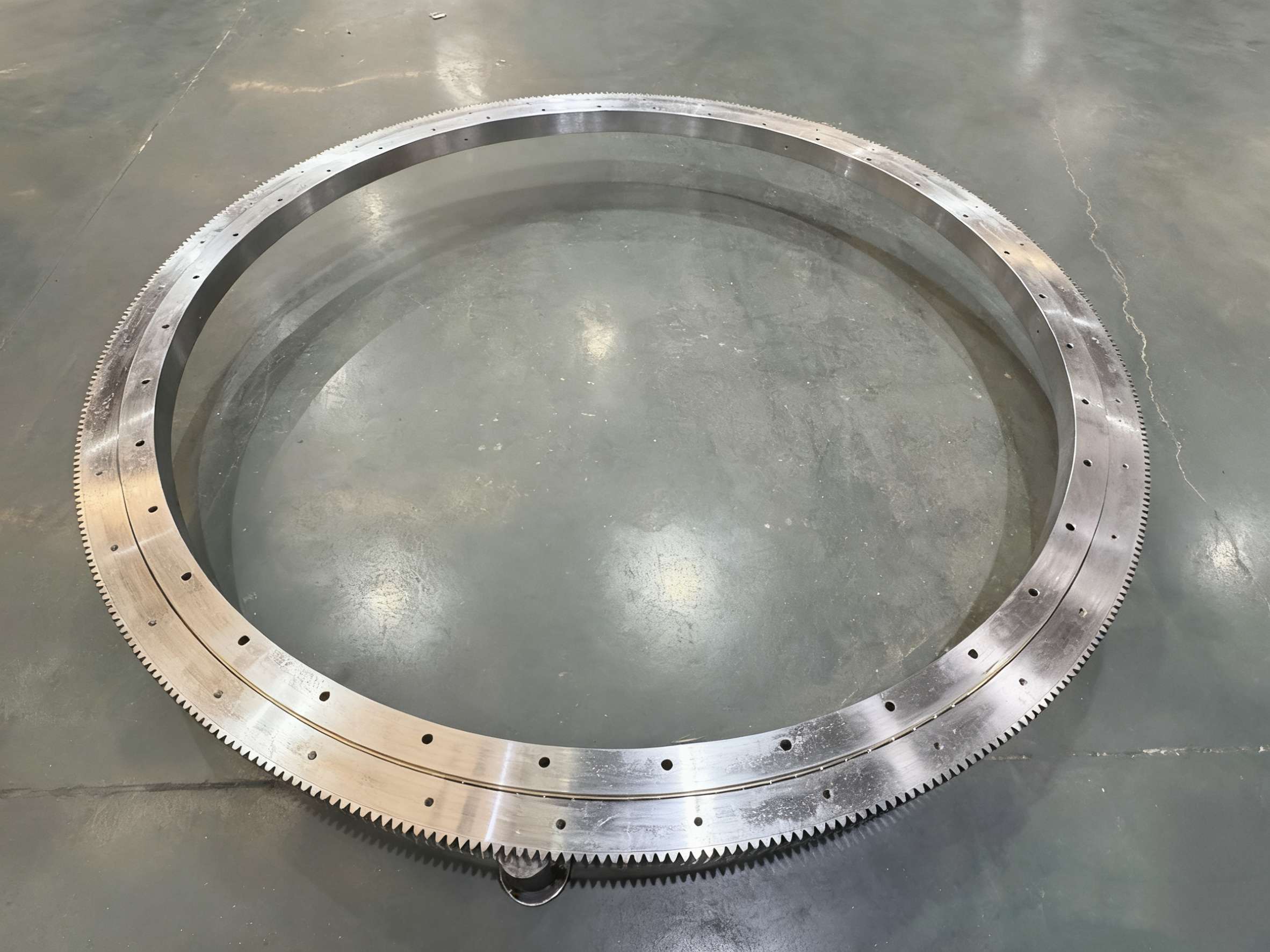
Wind turbine slewing bearings, also known as wind turbine slewing bearings, are large, precision bearings installed inside wind turbine generators. They are used for the rotation, positioning, and heavy-duty support of critical components. As a core component of the wind turbine, they directly determine the turbine's reliability, lifespan, and power generation efficiency.
They primarily withstand complex combined loads, including axial forces, radial forces, and overturning moments. They operate stably under harsh conditions such as strong winds, variable loads, high and low temperatures, and long-term continuous operation. They are an indispensable key component for wind turbines to achieve "wind-following, pitch control, and power generation." In modern wind turbines, slewing bearings are mainly divided into three categories: pitch bearings, yaw bearings, and main bearings.
1. Yaw System Slewing Bearing
A yaw bearing is a bearing that adjusts the turbine nacelle to face the wind, causing it to rotate. The slewing bearing supports the nacelle and upper components while enabling precise rotation, ensuring the blades maintain the optimal angle with the wind. This ensures maximum wind energy capture, higher power generation efficiency, and system stability, even under rapidly changing wind conditions.
High static and dynamic load capacity
Smooth rotation under fluctuating torque
Long-term sealing and corrosion resistance
2. Pitch System Slewing Bearing
The pitch control is a slewing bearing mounted at the root of the wind turbine blades, connecting the blades to the hub. It rotates to adjust the blade angle. This slewing bearing must provide high-precision and stable torque control to ensure smooth blade rotation and maintain a stable turbine speed. Even under extreme weather conditions—such as strong winds, icing, or storms—the pitch bearing maintains a balanced load distribution and safe operation, ensuring reliable energy output.
3.Main shaft bearing
The main shaft bearing is the core slewing bearing in the wind turbine drivetrain. It transmits the rotational force converted from wind energy to the gearbox or generator, supports and drives the impeller, and is responsible for the rotation of the main shaft. It also withstands enormous axial forces, radial forces, and overturning moments.
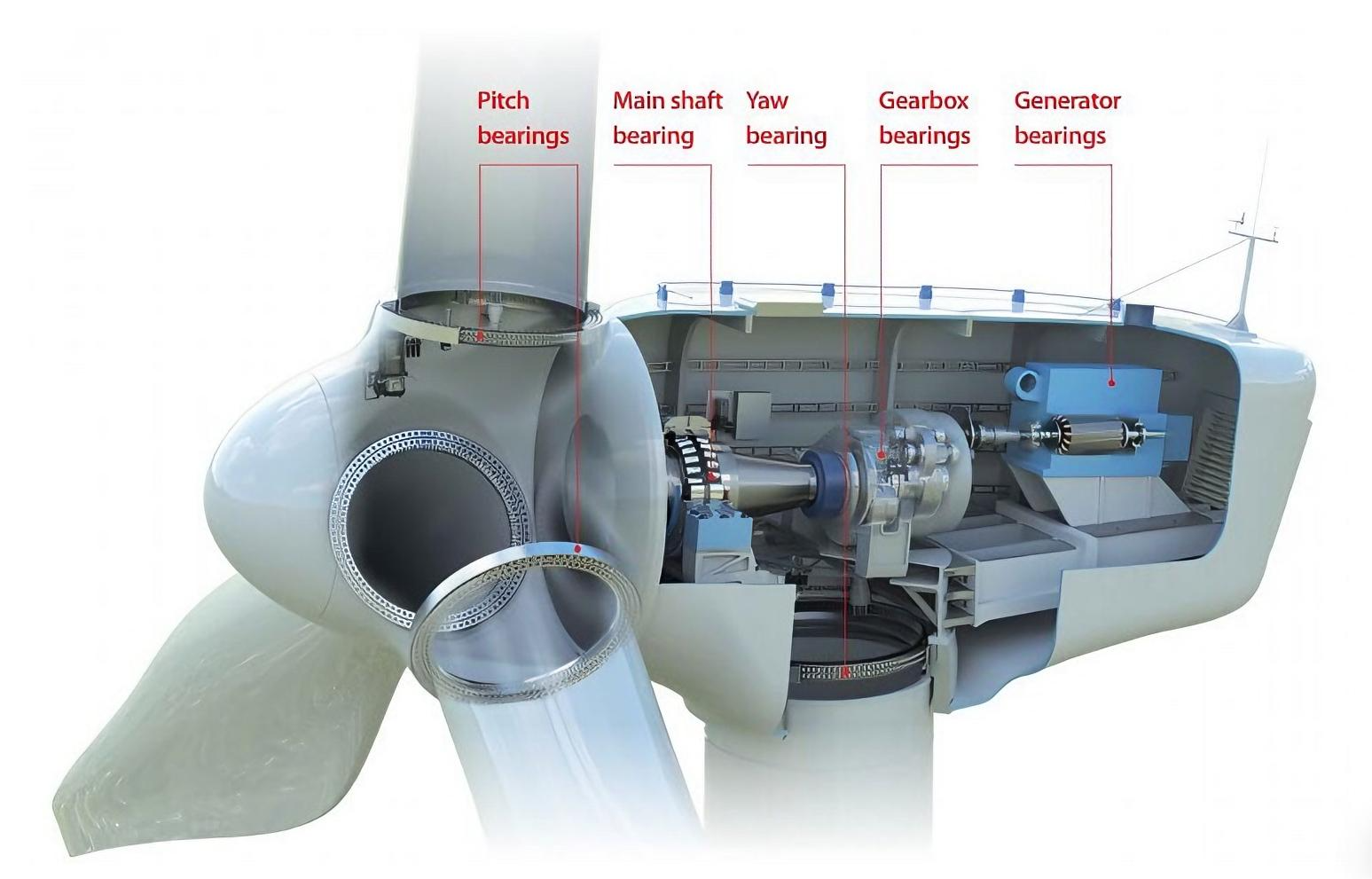
Types of Bearings Used in Wind Turbines
| Bearing Type | Structure & Characteristics | Suitable Turbine Size |
|---|---|---|
| Single-row four-point contact ball slewing bearing | Simple structure, light weight, supports axial/radial loads and tilting moment; available with internal, external, or no gear | Small wind turbines |
| Double-row ball slewing bearing | Dual raceways for higher load capacity; eight-point contact improves precision and rigidity | Medium-sized turbines |
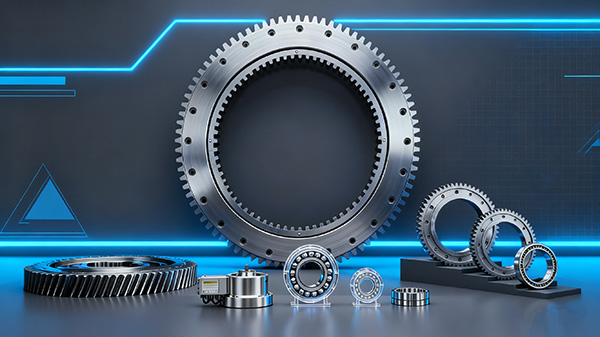
| Three-row roller slewing bearing | Highest load-bearing capacity; separate rows handle radial and axial loads independently | Large and heavy-duty turbines |
How to Customize a Wind Turbine Slewing Bearing
The performance of a wind turbine depends heavily on selecting and designing the right bearing. LTZC provides full customization from concept to installation.
Define Technical Requirements – Determine bearing dimensions, load ratings, gear type, rotation precision, and expected service life according to the turbine’s specifications and environmental conditions.
Choose a Trusted Manufacturer – Partner with a professional slewing bearing manufacturer that complies with international standards and has proven experience in the wind energy sector.
Engineering Collaboration – LTZC’s engineering team conducts detailed analysis, offers design drawings, and provides tailored structural optimization for yaw and pitch systems.
Precision Manufacturing & Quality Testing – Bearings are produced under strict process control and undergo comprehensive inspection, including material testing, hardness checks, and rotational accuracy tests.
Delivery & Technical Support – LTZC provides installation guidance, maintenance training, and long-term after-sales service to ensure stable performance over the bearing’s entire lifespan.
Contact LTZC technical engineers for support.
Why Choose LTZC Wind Turbine Slewing Bearings
With over 20 years of expertise in bearing design and manufacturing, LTZC Bearing is one of China’s leading slewing bearing manufacturers for renewable energy applications. We have supplied over 10,000 sets of yaw and pitchslewing bearings to wind farms across 15+ countries, receiving high recognition for quality, precision, and reliability.
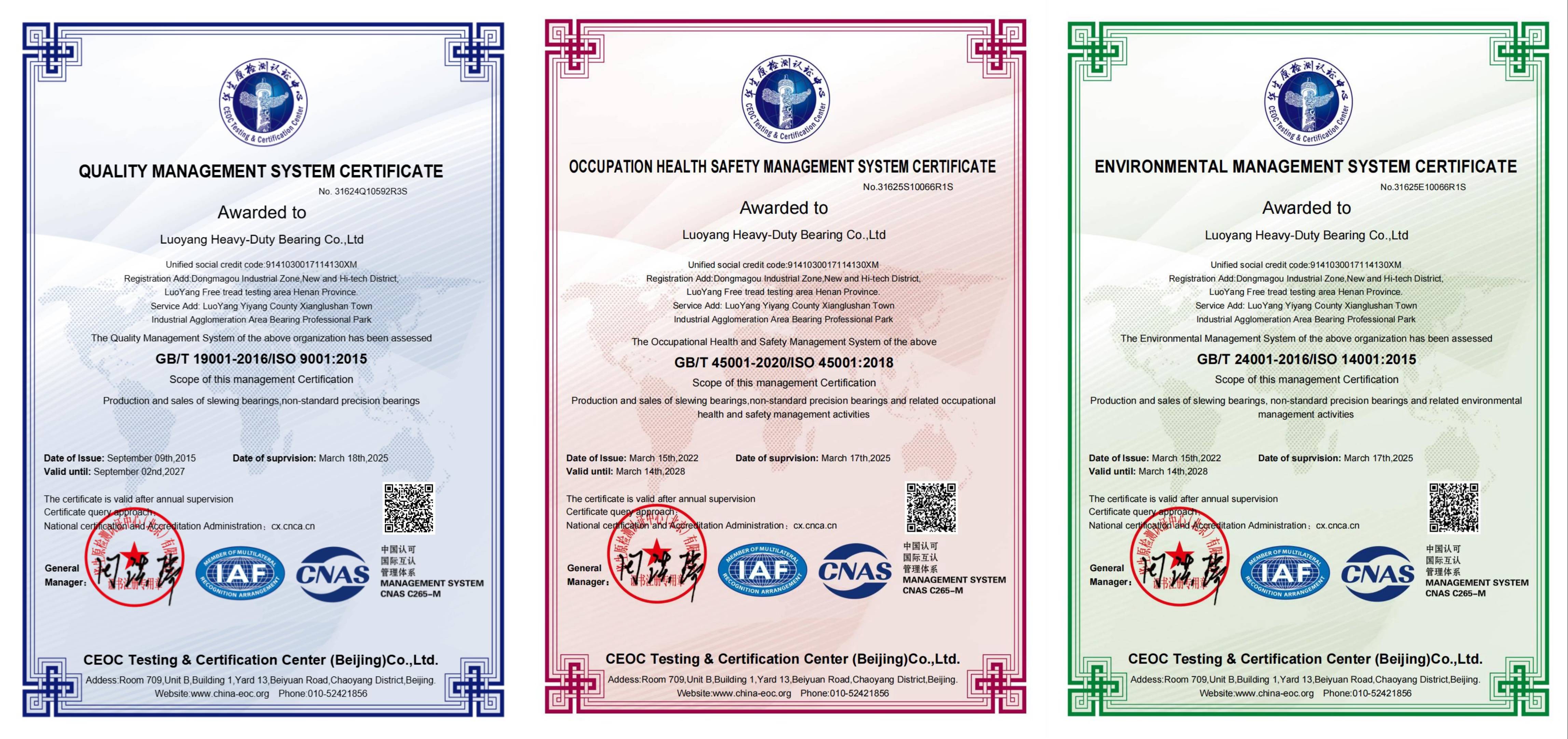
✅ Certified quality system compliant with international standards (ISO/CE)
✅ Custom-engineered solutions for onshore and offshore turbines
✅ High-strength materials and advanced heat treatment for longer service life
✅ Corrosion- and wear-resistant designs for extreme environments
✅ Comprehensive technical support and after-sales service
LTZC’s slewing bearings ensure accurate yaw and pitch control, minimal maintenance downtime, and enhanced turbine efficiency, helping global partners achieve sustainable and cost-effective energy production.
Quickly view LTZC ISO 9001, 14001, 45001, CCS, BV, ABS certificates→
LTZC Bearings
Hot products
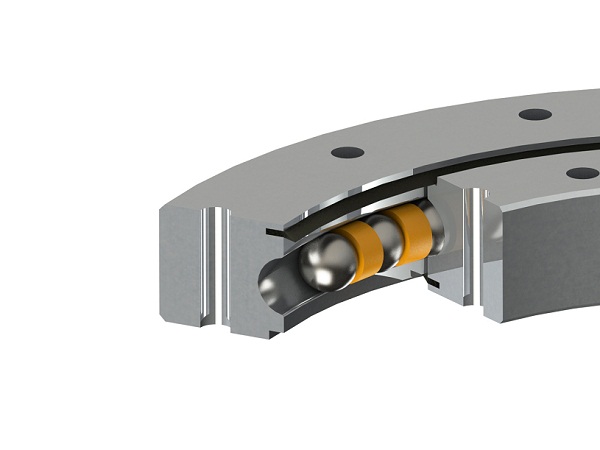
Single Row Ball Slewing Bearings
Single-row ball slewing bearings are a common type of lightweight and long lifespan bearing....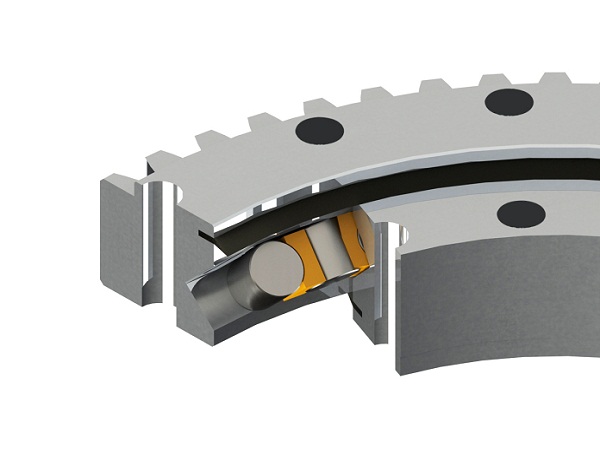
Cross Roller Slewing Bearings
LTZC crossed roller slewing bearings offer high performance, stable operation, and heavy load capaci...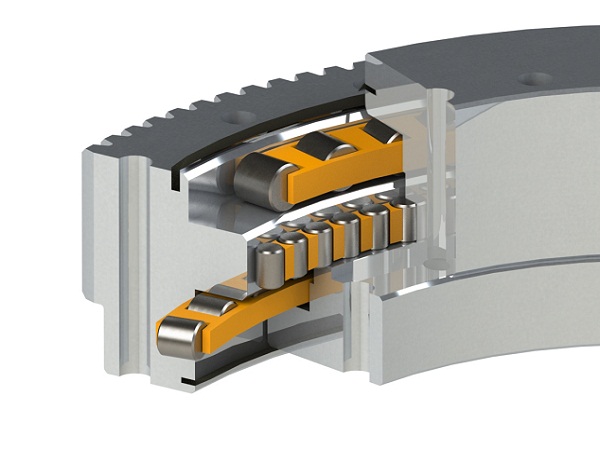
Three Row Roller Slewing Bearings
Three-row cylindrical roller slewing bearings are the slewing bearings with the highest load-bearing...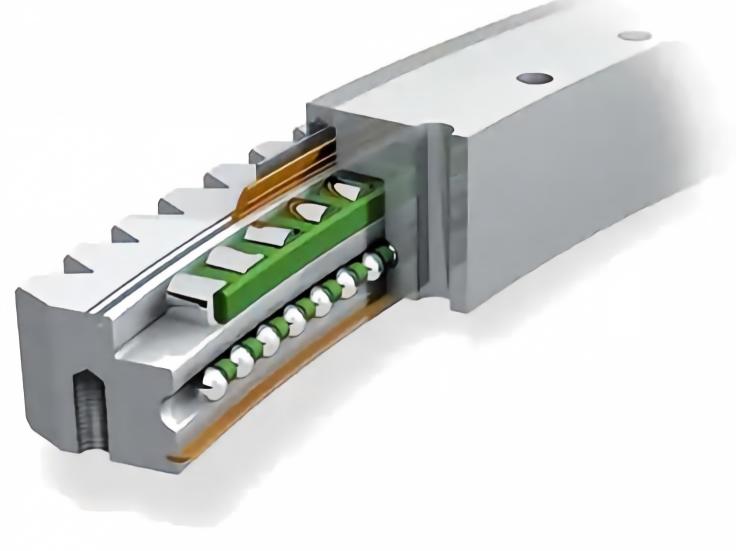
Ball Roller Combined Slewing Bearings
The core advantage of ball-roller combined slewing bearings is that they balance high load-bearin...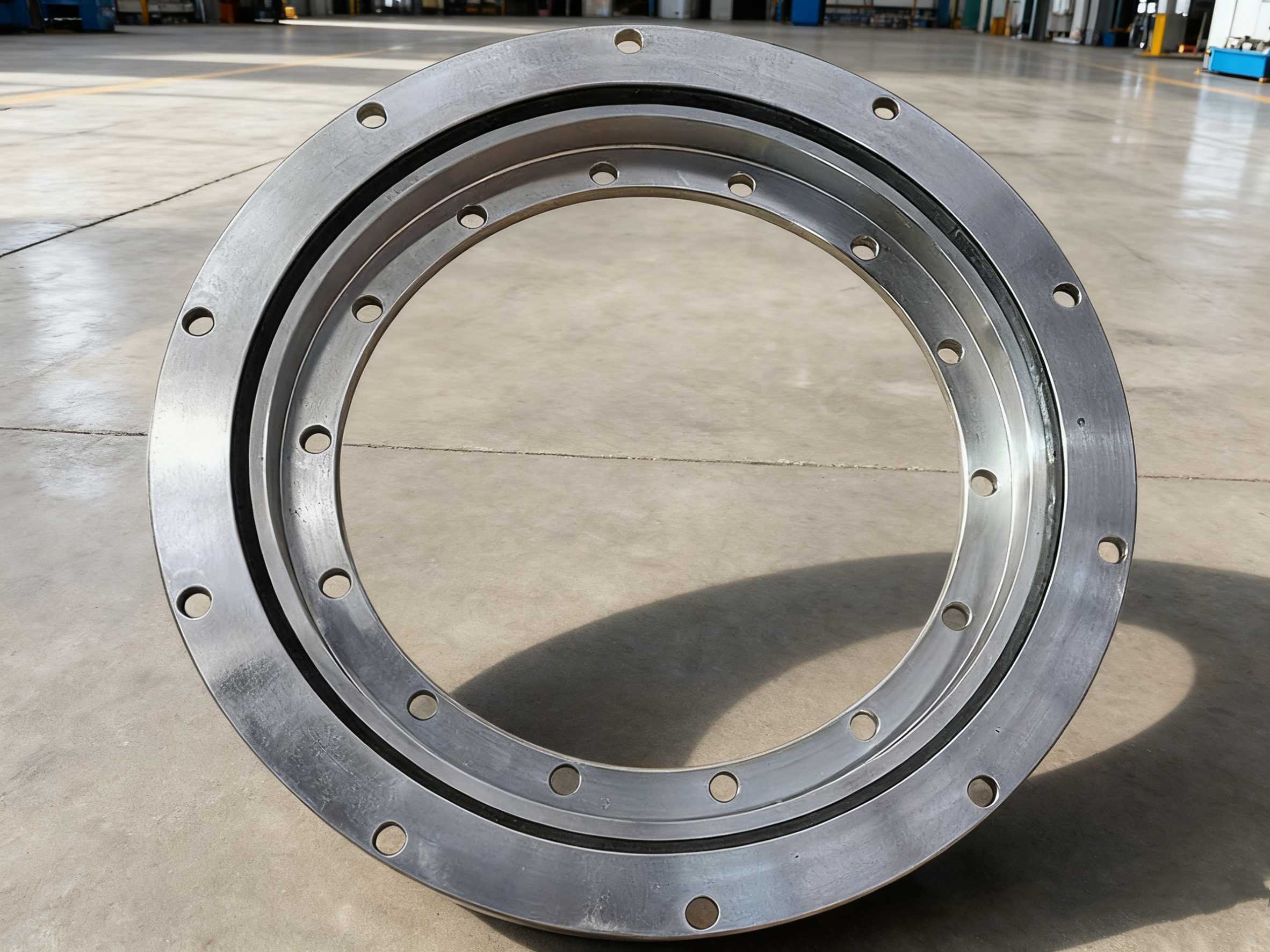
Flanged Slewing Bearing
Flange slewing bearing is a slewing bearing with a flange as the mounting surface....