WhatsApp
 jessica.chai@ltzzc.com
 0086-379-69950051

Installation & Maintenance
- Home
- Resources
- Installation & Maintenance
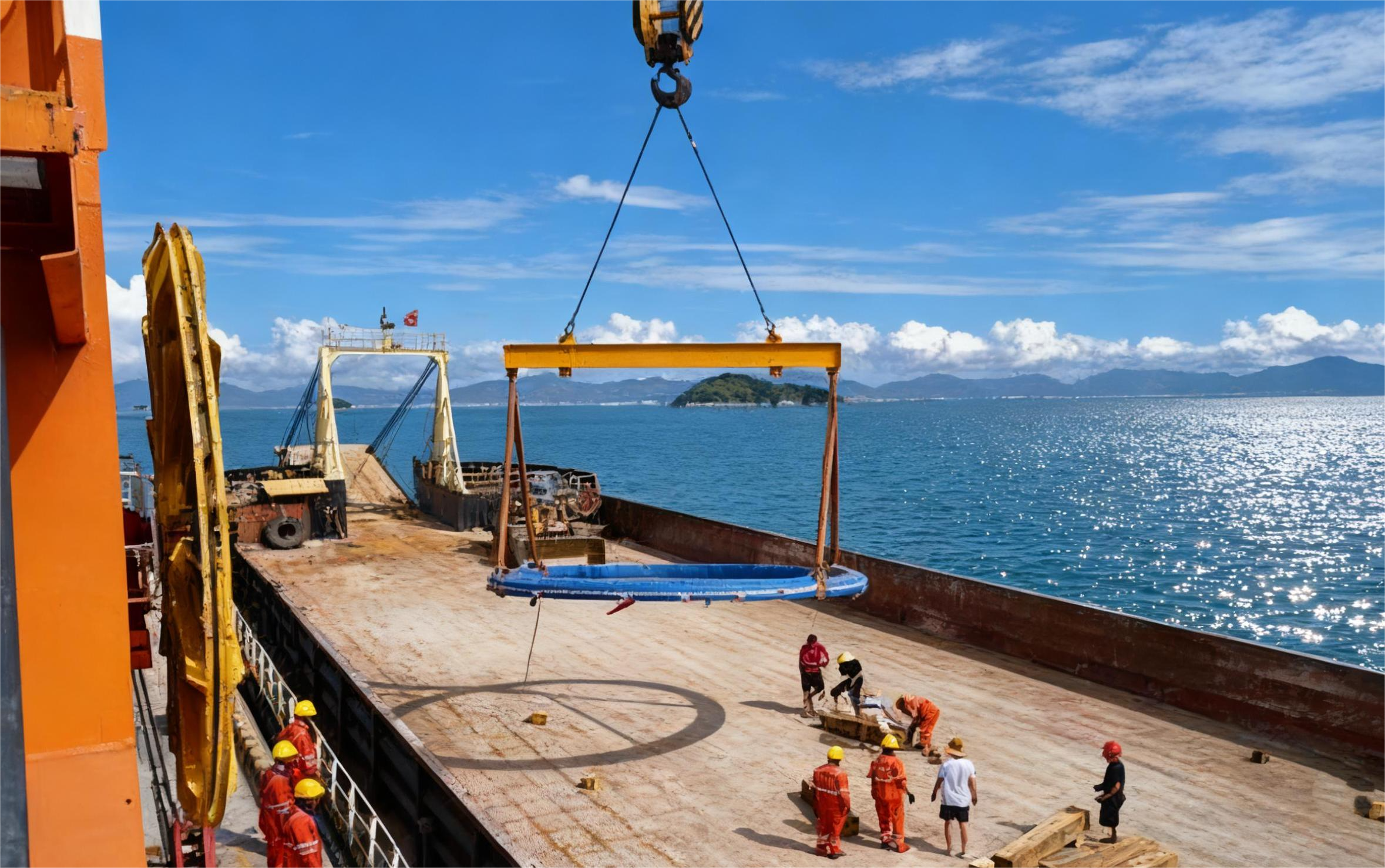
LTZC, a leading Chinese manufacturer of slewing bearings, boasts over 20 years of experience in bearing R&D. We provide comprehensive technical support services, from bearing installation guidance and on-site calibration to regular maintenance, ensuring every piece of equipment operates at its optimal condition. Proper installation and continuous maintenance not only guarantee efficient, precise, and stable equipment operation but also extend the service life of the slewing bearing and reduce maintenance costs. Regular inspections and maintenance allow for early detection of potential problems, preventing safety hazards and sudden malfunctions, and ensuring the continuity and reliability of production.
Get a quoteHow to Install a Slewing Bearing?
I. Pre-installation Preparation
Prepare tools and fasteners.
Clean the bearing surface to ensure it is smooth, free of weld slag, and burrs.
Confirm the model and specifications to ensure the slewing bearing model matches the equipment.
II. Bearing Installation Methods
Press-in Installation:
Suitable for small and medium-sized bearings.
Use a press or a special installation sleeve to apply force evenly to the inner or outer ring end face, avoiding direct impact on the bearing.
Ensure the force is applied perpendicularly to prevent bearing misalignment or uneven stress on the rolling elements.
Thermal Expansion Method:
Suitable for large or medium-sized bearings with interference fits.
Place the bearing in a heating furnace or induction heater, controlling the temperature at 80°C–100°C (never exceeding 120°C).
After heating, quickly assemble and secure it onto the shaft.
After cooling, a tight fit will automatically form.
Shrink Fit Method:
Use a coolant (such as liquid nitrogen) on the mating surfaces to shrink the shaft before installing it into the bearing inner ring.
Temperature difference control should be reasonable to prevent excessive thermal stress on the bearing material.
Mostly used in high-precision, heavy-duty equipment.
III. Bearing Installation Process
Lift the slewing bearing to the installation location and align the base bolt holes.
Tighten the bolts evenly and horizontally to 30%–50% of the design torque.
Use a feeler gauge to measure the bearing axial play to ensure the slewing bearing is fully seated against the mounting surface.
Tighten the bolts gradually in a “diagonally intersecting, step-by-step” pattern until the specified torque is reached.
After tightening the bolts, use anti-loosening measures.
Check the gear meshing side clearance for uniformity.
Apply special grease to the tooth surfaces.
Perform a low-speed test run to check for any abnormal noise, binding, or uneven torque.
IV. Post-installation Inspection and Maintenance
Post-operation Re-inspection: Re-check and tighten the bolts after 100 hours of operation.
Regular Lubrication: Re-lubricate regularly based on operating conditions to maintain good lubrication.
Condition Monitoring: Monitor slewing bearing vibration, noise, and wear to ensure stable operation.
Contact LTZC for Technical Support
How to Maintain Slewing Bearings?
Slewing Bearing Maintenance
Regular Lubrication:Based on operating conditions, timely apply the grease recommended by the supplier to ensure the raceways and gears are fully lubricated and to prevent dry friction.
Seal Inspection: Verify that the seals are intact, undamaged, and free of oil leaks to prevent the ingress of dust and water. If cracks or looseness are detected in the seals, replace them immediately to avoid prolonged operation that could damage the internal structure of the slewing bearing.
Bolt Tightening: Inspect the connecting bolts during the initial period of operation and at regular intervals to prevent loosening and ensure installation stability.
Cleaning and Upkeep: Promptly remove surface debris, dirt, and accumulated water to keep the area surrounding the bearing clean.
Operation Monitoring: During equipment operation, watch for abnormal noises, vibrations, or unusual temperature rises; if any issues are detected, shut down the equipment immediately for inspection.
Gear Maintenance: For open gears, apply grease regularly and inspect the gear teeth for signs of wear or pitting. Severe gear wear can lead to gear meshing failures and, in extreme cases, cause deformation of the entire slewing bearing, potentially rendering it irreparable.
Common Bearing Failures
| Common Faults | Possible Causes | Handling Methods |
|---|---|---|
| Bearing Overheating (>70℃) | 1. Excessive or insufficient grease; 2. Over-tight installation; 3. Seal blockage | 1. Adjust grease amount; 2. Check clearance and reinstall; 3. Clean seals and replace blocked grease nipples |
| Abnormal Noise During Operation | 1. Wear of rolling elements or raceways; 2. Impurity intrusion; 3. Bearing eccentricity | 1. Replace the bearing; 2. Disassemble, clean, and relubricate; 3. Check shaft straightness and correct eccentricity |
| Bearing Rust | 1. Humid environment; 2. Lubricant failure; 3. Seal damage | 1. Improve moisture-proof measures; 2. Replace lubricant; 3. Replace seals, remove rust, and apply anti-rust grease |
| Excessive Bearing Vibration | 1. Rotor imbalance; 2. Bearing wear; 3. Loose foundation | 1. Perform dynamic balance correction; 2. Replace bearing; 3. Tighten foundation bolts and adjust coaxiality |
| Grease Leakage | 1. Aged or damaged seals; 2. Excessive pressure inside bearing cavity; 3. Poor grease quality | 1. Replace seals; 2. Adjust vent holes or pressure balance; 3. Use recommended grease |
| Bearing Seizure | 1. Overload operation; 2. Insufficient lubrication; 3. Foreign particles in raceway | 1. Stop operation and replace damaged bearing; 2. Check lubrication system; 3. Remove foreign matter and replace filters |
| Raceway Peeling | 1. Material fatigue; 2. Excessive or impact load; 3. Improper installation | 1. Replace with same-spec bearing; 2. Optimize load distribution; 3. Check installation accuracy |
| Installation Deviation | 1. Machining error of housing or shaft shoulder; 2. Improper installation tools | 1. Correct mounting surface; 2. Use special installation tools |
| Shortened Bearing Life | 1. Poor lubrication; 2. Overload operation; 3. Lack of regular maintenance | 1. Optimize lubrication schedule; 2. Control operating load; 3. Establish regular inspection plan |
 Bearing Installation & Maintenance Instructions