WhatsApp
 jessica.chai@ltzzc.com
 0086-379-69950051

How to Source Double Row Roller Slewing Ring
Before placing an RFQ, procurement engineers should confirm more than the bearing diameter and a supplier’s quoted price. A missed load direction, unclear gear requirement, incomplete bolt pattern, or undefined acceptance test can lead to unsuitable quotations that cannot be compared fairly.
A Double Row Roller Slewing Ring is typically considered where a rotary structure must carry combined axial, radial, and overturning moment loads. The two roller rows can support demanding load arrangements, but the final bearing design still depends on the real application conditions, mounting structure, drive interface, duty cycle, environmental exposure, and inspection expectations.
For supplier shortlisting, the goal is not simply to find the lowest initial price. The goal is to identify suppliers that can review your technical inputs, identify missing information early, and provide a bearing proposal that matches the assembled machine rather than an assumed standard condition.
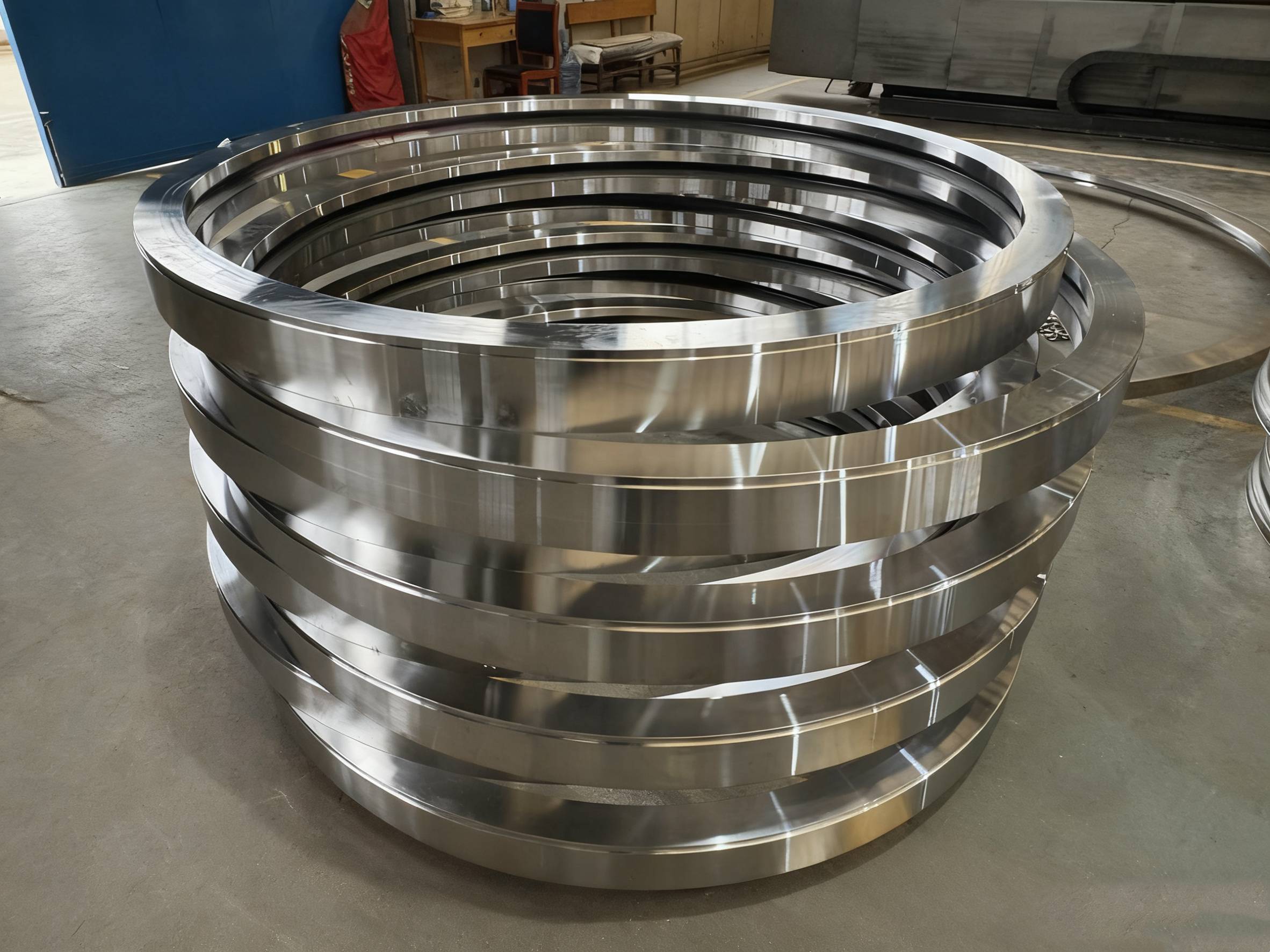
Define the operating condition before contacting suppliers
Conclusion: Start with the operating condition, not with a catalog reference alone. A previous bearing number is useful, but it may not show changes in load, mounting stiffness, gear arrangement, lubrication access, or environmental exposure.
Why this matters: A slewing ring works as part of an assembly. Its performance depends on the bearing raceways, rollers, gear interface where applicable, mounting bolts, support surfaces, and adjustment of the surrounding structure. If the application data is incomplete, suppliers may quote different internal arrangements or assumptions. The resulting offers may look similar on paper while serving different design conditions.
Best fit: This approach suits new equipment, redesign projects, replacement sourcing, and applications where the original drawing is unavailable or has been modified.
Limit: If you are replacing an existing bearing without any change to machine use, a verified drawing and confirmed operating history may be enough for an initial quotation. Even then, review the mounting and gear condition before approving a repeat order.
| Input to prepare | Why the supplier needs it | Risk if omitted |
|---|---|---|
| Axial load direction | Shows whether the bearing sees load from one direction or alternating directions. | A proposal may be based on an incorrect thrust arrangement. |
| Radial load condition | Helps assess side loading from the rotating structure and external process forces. | Raceway loading may be evaluated incorrectly. |
| Overturning moment | Shows how the upper structure tends to tilt relative to the mounting base. | Roller loading can become uneven around the ring. |
| Rotation pattern | Identifies continuous rotation, intermittent indexing, oscillation, or stationary loaded periods. | Lubrication and service access may be unsuitable for actual use. |
| Mounting arrangement | Confirms whether the bearing interfaces correctly with the upper and lower structures. | Hole positions, fasteners, and support surfaces may not match. |
| Environmental exposure | Supports selection of sealing requirements and corrosion protection expectations. | Contamination or moisture exposure may be underestimated. |
When reviewing rotary equipment loads, separate normal operation from occasional conditions. Normal operating loads may come from the supported structure and process forces. Occasional conditions may include transport position, emergency stopping, parked exposure, maintenance position, or unusual loading during installation. A supplier cannot judge which condition governs unless the buyer identifies both.
For applications with an integrated drive, also clarify whether the bearing uses an internal gear, external gear, or no gear. If your project needs a rotary drive assembly rather than a bearing alone, review available Slewing Drives early. This can prevent a mismatch between the ring gear and the selected drive pinion.
Shortlist suppliers by technical response quality
Conclusion: Shortlist suppliers based on how they handle missing technical information, not only on how quickly they return a price.
Why this matters: A useful quotation should show that the supplier has reviewed the application details. A supplier that immediately provides a standard reference without questions may be offering a workable option, but the buyer should confirm what assumptions were used. A supplier that asks focused questions about mounting, loading, sealing, gear engagement, and testing gives the procurement team a clearer basis for comparison.
Best fit: This method is especially suitable during supplier qualification, replacement sourcing, and engineered equipment procurement where the bearing affects machine availability.
Limit: It does not mean every technical question indicates a better supplier. Excessive questioning without a clear path to proposal can delay the project. Look for relevant questions linked directly to the drawing and application.
| Supplier review point | What good evidence looks like | What to verify |
|---|---|---|
| Application review | Questions about loads, rotation, mounting, gear arrangement, and working environment. | Check that questions relate to your actual machine design. |
| Drawing control | Clear confirmation of drawing revision, dimensions, interfaces, and requested deviations. | Ensure the quotation identifies the revision being quoted. |
| Customization ability | Discussion of material, size, and performance requirements based on your specifications. | Ask which features can be changed and what approval is needed. |
| Quality system | Documented certification and traceable quality procedures. | Request current certification documents during qualification. |
| Delivery discussion | A stated delivery expectation linked to the confirmed scope. | Confirm when the delivery period starts and what approvals are required. |
LTZC Bearings Co.,Ltd. holds ISO9001:2015, ISO14001:2015, and ISO45001:2018 certifications, with ISO, CCS, and ABS certification listed in its company credentials. These qualifications can support supplier assessment, but they do not replace application specific engineering review. Ask each shortlisted supplier to confirm the documents available for the bearing you intend to purchase.
LTZC also offers customized bearing solutions based on working conditions, existing designs, and technical specifications. This is useful when a standard catalog item does not match your bolt circle, ring gear data, sealing requirements, or installation envelope. For nonstandard interfaces, review non-standard bearings before sending a generic inquiry.
An RFQ checklist covering load cases, bolt pattern, gear data, sealing, and acceptance tests
Conclusion: Issue one consistent RFQ package to every shortlisted supplier. This gives procurement a like for like basis for comparing proposals, lead times, technical exceptions, and commercial terms.
Why this matters: An incomplete RFQ forces suppliers to fill gaps with their own assumptions. One supplier may assume an external gear, another may assume no gear. One may quote a basic seal, while another includes a different sealing approach. Price differences then become difficult to interpret.
Best fit: Use this checklist for high load rotary equipment, engineered replacements, new machinery, and supplier qualification before production quotations are requested.
Limit: The checklist does not replace a full machine design review. Where the mounting structure is flexible, the equipment sees unusual duty, or safety requirements apply, provide the supplier with additional assembly details and internal project requirements.
| RFQ check item | Information to provide | Why it matters | Risk behind the omission |
|---|---|---|---|
| Load cases | Axial, radial, and overturning moment loads for normal, occasional, and parked conditions. | Supports bearing selection against the full duty requirement. | The quoted ring may be assessed against only part of the real load condition. |
| Rotation details | Rotation direction, operating pattern, dwell periods, oscillation, and duty cycle. | Helps define lubrication access and operating assumptions. | Maintenance planning may not suit the actual motion pattern. |
| Bearing bolt pattern | Hole quantity, hole type, bolt circle, fastener preference, mounting drawing, and tightening requirements. | Ensures the ring connects correctly to the upper and lower structures. | Site modification may be required if mounting holes do not match. |
| Support surfaces | Drawings of the upper and lower mounting faces and available installation space. | Shows whether the surrounding structure can support the proposed ring. | Distortion or poor contact can affect bearing operation. |
| Ring gear data | Internal or external gear preference, mating pinion information, direction of drive, and gearbox interface. | Allows the supplier to assess the gear relationship with the drive system. | Gear engagement problems may appear only during assembly. |
| Sealing requirements | Dust, water, washdown, temperature exposure, outdoor storage, and corrosion expectations. | Guides seal selection and protection expectations. | Contamination protection may not suit the operating area. |
| Lubrication plan | Lubrication points, access restrictions, maintenance intervals set by your machine plan, and lubricant restrictions. | Allows practical servicing after installation. | Lubrication points may be inaccessible once the machine is assembled. |
| Acceptance testing | Required documents, inspection records, dimensional checks, gear checks, functional checks, and witness requirements. | Sets a defined release process before shipment. | Buyer and supplier may disagree on what counts as accepted product. |
| Packaging and shipment | Export packing expectations, destination, handling limitations, and receiving inspection process. | Supports suitable protection through transport and receiving. | Damage responsibility and receiving criteria may be unclear. |
State acceptance testing in measurable document terms, even if your internal acceptance method is simple. For example, request the agreed drawing revision, inspection records required by your quality system, identification marking requirements, and any approved deviation list. Avoid asking for “full testing” without defining what that phrase means for the project.
Where the bearing uses a gear, include gear information in the same RFQ rather than sending it later. The gear is not a separate purchasing detail. It affects drive fit, assembly planning, backlash review, and the selection of the mating pinion. For related component sourcing, LTZC also supplies slewing ring gear solutions.
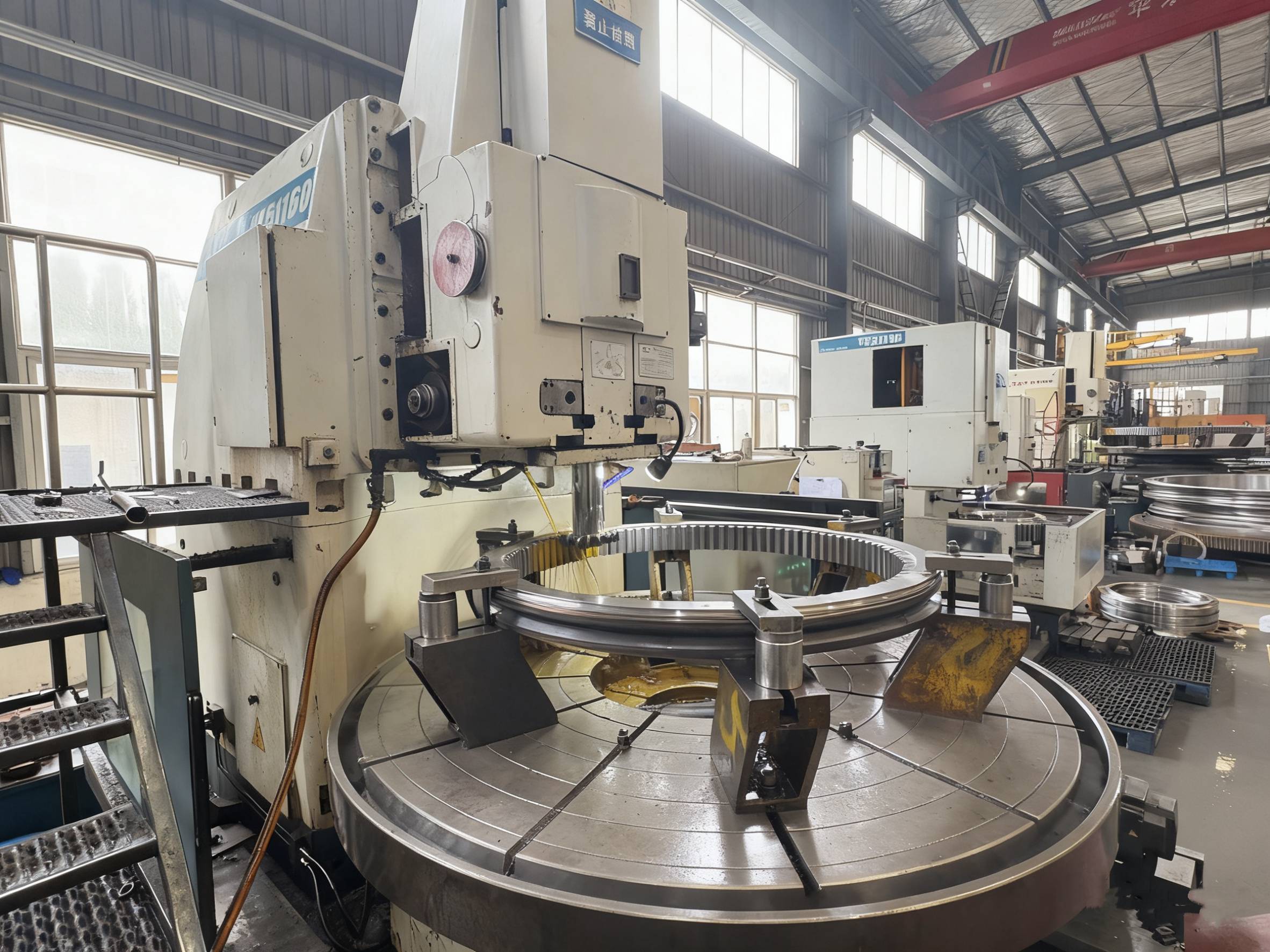
Compare quotations beyond the unit price
Conclusion: Build a quotation comparison sheet that records commercial terms beside technical assumptions and exceptions.
Why this matters: The lowest unit price may exclude items that another supplier has included, such as gear features, documentation, special packaging, inspection requirements, or engineering review. A lower offer is only useful when it covers the same defined scope.
Best fit: This method works when multiple suppliers respond to the same RFQ and procurement needs an auditable selection record.
Limit: A comparison sheet cannot correct an unclear RFQ. If the offers show major technical differences, return to the suppliers with clarification questions before selecting a preferred source.
| Comparison category | Questions for procurement | Decision use |
|---|---|---|
| Technical scope | Does the proposal match the requested load cases, interfaces, gear arrangement, and sealing requirements? | Remove offers based on unapproved assumptions. |
| Drawing status | Is the supplier quoting your drawing, its own proposal drawing, or a catalog reference? | Confirm design ownership and approval requirements. |
| Quality documents | Which certificates, inspection records, and acceptance documents are included? | Confirm alignment with your receiving process. |
| Lead time | What event starts the stated delivery period: order, drawing approval, or payment confirmation? | Build a realistic project schedule. |
| Commercial conditions | Are packaging, freight terms, payment terms, and technical changes clearly defined? | Avoid later cost disputes. |
| After sales support | Who handles installation questions, inspection concerns, and technical clarification? | Assign a contact path before the order is released. |
LTZC states a delivery range of 30 to 90 days and no minimum order quantity. These points can be useful during shortlisting, especially for pilot equipment, service replacements, or projects requiring a customized single ring. However, confirm the applicable delivery period after the bearing scope, drawing status, and required documentation are agreed. A stated range is not a substitute for an order specific delivery commitment.
Prevent sourcing mistakes before order release
Conclusion: Hold a short technical release review before issuing a purchase order. Procurement, engineering, quality, and receiving personnel should confirm that the selected quotation and approved drawing describe the same item.
Why this matters: Many bearing procurement problems occur between quotation approval and order release. The buyer may reference one drawing revision, while the supplier receives another. Gear information may be added after the order is placed. Acceptance documents may be assumed but not written into the purchase order.
Best fit: This review is appropriate for custom rings, high value rotary assemblies, replacement bearings with modified interfaces, and projects involving more than one internal stakeholder.
Limit: The review does not remove the need for correct field assembly. Installation conditions, mounting surface preparation, bolt tightening, and lubrication remain controlled by the equipment builder or installation team.
- Do not approve a quotation without a drawing reference. Confirm the drawing number, revision, and any written deviations. This prevents a supplier from producing to an earlier interface layout.
- Do not treat a bearing and gear as unrelated items. Confirm the mating arrangement before approving the design. This applies where the ring includes an internal or external gear.
- Do not leave seals undefined. Describe the actual operating environment. A general statement such as “outdoor use” may not explain water exposure, dust, cleaning methods, or storage conditions.
- Do not assume bolts are included. State whether bolts are supplied by the bearing manufacturer or sourced separately, then align the bearing bolt pattern with the assembly plan.
- Do not postpone acceptance testing. Define required records and release conditions in the RFQ and purchase order, not after production is complete.
- Do not overlook installation access. Confirm that lubrication points, mounting bolts, and inspection areas remain accessible after the machine is assembled.
Before installation, ensure the assembly team follows the approved drawing and the machine builder’s procedures. LTZC provides guidance related to bearing installation, which can support planning for mounting, lubrication, and later service access.
Submit your drawings, load cases, bolt pattern, gear data, sealing requirements, and acceptance testing needs to LTZC Bearings for a sourcing review and quotation.