WhatsApp
 jessica.chai@ltzzc.com
 0086-379-69950051

In large-scale engineering equipment, automated systems, and heavy machinery, slewing bearings are crucial core components for achieving rotational motion and load-bearing. Whether it's cranes, excavators, wind power equipment, or mining machinery, all rely on stable and reliable slewing rings. However, in practical applications, many equipment failures are not due to bearing quality issues, but rather to improper slewing bearing installation or inadequate slewing bearing maintenance.
Therefore, correct installation methods, standardized maintenance procedures, and timely slewing bearing repair are of great significance for extending equipment lifespan, reducing maintenance costs, and improving equipment operational stability. As a professional slewing bearing manufacturer, LTZC has accumulated extensive experience in slewing bearing installation and maintenance through long-term engineering practice and provides technical guidance and solutions to customers worldwide.
What is a Slewing Bearing?
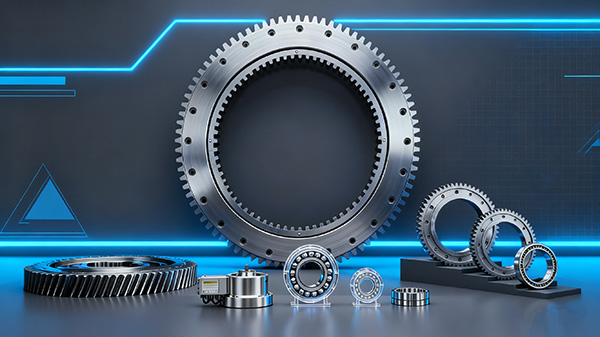
A slewing bearing is a large bearing structure capable of 360-degree rotation and simultaneously bearing axial loads, radial loads, and overturning moments. It is compact, has a high load-bearing capacity, and is easy to install. Slewing bearings are widely used in various heavy equipment. Its basic structure includes an inner ring, outer ring, rolling elements, cage, seals, and lubrication system.
Applications of Slewing Bearings
Due to their excellent load-bearing capacity and rotational performance, slewing bearings are widely used in the following fields:
Excavators, cranes, and aerial work platforms in construction machinery
Mining equipment such as mining equipment and stacker-reclaimers
Yaw and pitch systems in wind power equipment
Robot arms and precision rotary tables in automation equipment
The Importance of Slewing Bearing Installation and Maintenance
In actual engineering cases, approximately 70% of slewing bearing failures are not due to manufacturing quality issues, but rather caused by the following reasons:
Incorrect slewing bearing installation
Non-standard slewing bearing maintenance
Insufficient lubrication
Insufficient mounting surface precision
Uneven bolt preload
Therefore, proper installation and maintenance can not only extend bearing life but also significantly reduce equipment maintenance costs.
Key advantages include:
Extended bearing life
Proper installation reduces raceway stress concentration, thereby extending bearing life.
Improved equipment operational stability
Reasonable maintenance keeps bearings running smoothly, reducing vibration and noise.
Reduced equipment downtime risk
Regular maintenance and timely slewing bearing repair can prevent sudden equipment failures.
Down load LTZC slewing bearing installation and maintenance
How to Install a Slewing Bearing?
1. Pre-installation Inspection of the Slewing Bearing
Before installing the slewing bearing, a comprehensive inspection is necessary to ensure the mounting surface is flat, free of burrs and imperfections. An uneven mounting surface will cause uneven stress on the bearing raceway, thus reducing its service life. Also check the bearing's seals for damage and any minor issues such as dents or chips on the gear ring.
2. Positioning the Slewing Bearing
Slewing bearings typically have a soft zone, i.e., a transitional area in raceway hardness. During installation, the soft zone should be placed in non-primary load areas to avoid affecting load-bearing capacity.
3. Bolt Installation
Slewing bearings are usually secured with high-strength bolts. The installation steps include:
Install the bolts diagonally
Pre-tighten gradually in three stages
Use a torque wrench to control the pre-tightening force
This method ensures even bolt stress.
4. Gear Meshing Adjustment
If the slewing bearing has a gear ring, check the gear meshing clearance and tooth surface contact. Insufficient meshing clearance may cause gear wear.
5. Slewing Bearing Lubrication
After installation, the supplier-recommended grease should be injected immediately to reduce friction and appropriately extend bearing life.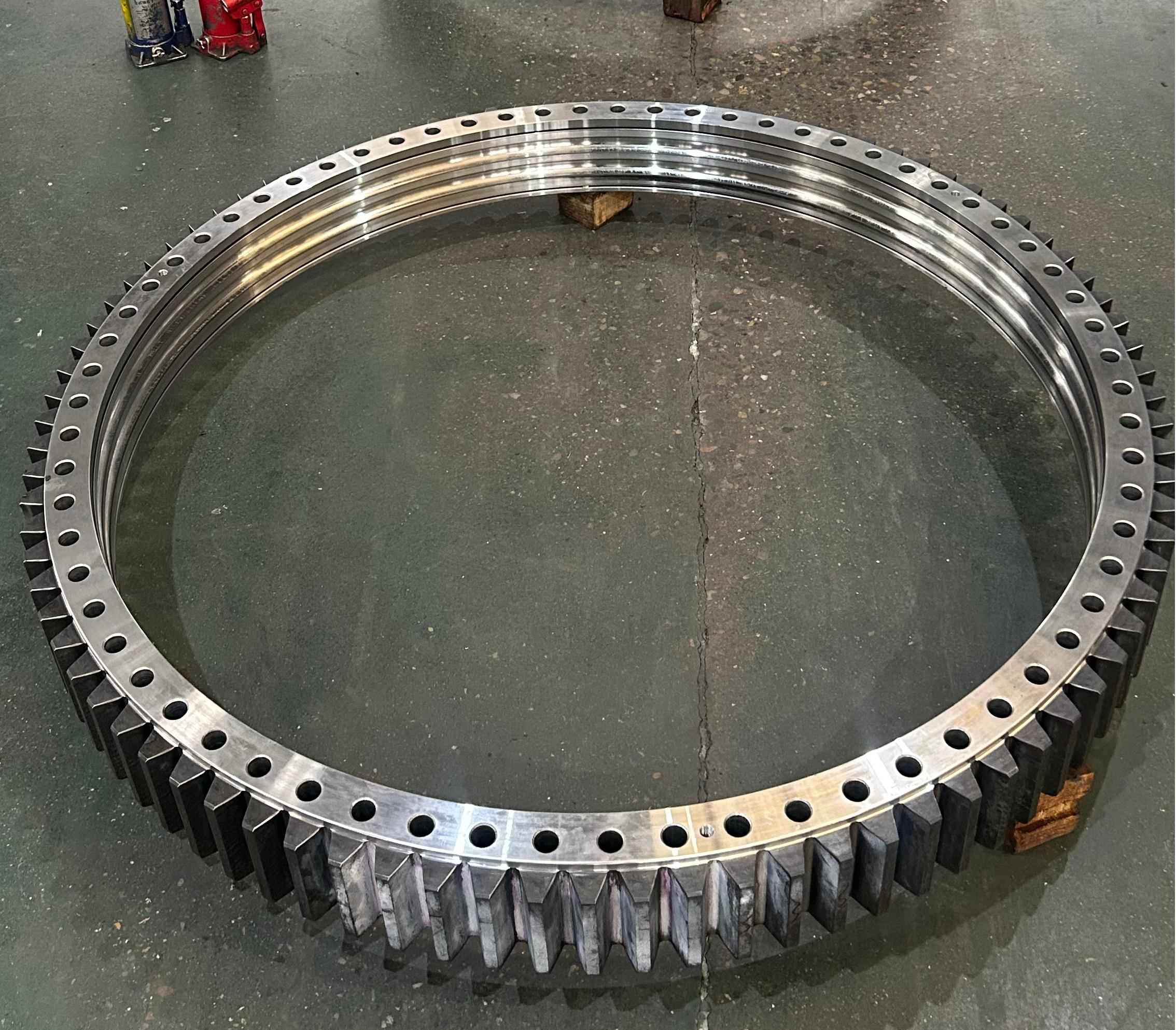
How to Maintain and Repair Slewing Bearings?
Regular Lubrication
Lubrication is one of the most important measures for maintaining slewing bearings. Replenish grease every 100-200 hours according to the supplier's recommended grease type, and shorten the lubrication cycle in high-dust environments.The grease should be injected evenly into the raceway.
Regular Bolt Inspection
Slewing bearing bolts may loosen after long-term operation. The equipment should be stopped periodically to check the bolt preload. If the bolts are loose, retighten them to avoid damage to the slewing bearing and safety issues.
Check Bearing Clearance
Increased bearing clearance usually indicates raceway wear. If the clearance exceeds the allowable range, slewing bearing repair or replacement should be considered.
Check Gear Ring Wear
The gear ring is an important transmission component of the slewing bearing. Long-term operation of the slewing bearing can lead to problems such as tooth surface wear, tooth root cracks, and poor gear meshing. If the wear is severe, the slewing bearing should be repaired or replaced promptly.
Bearing Fault Repair
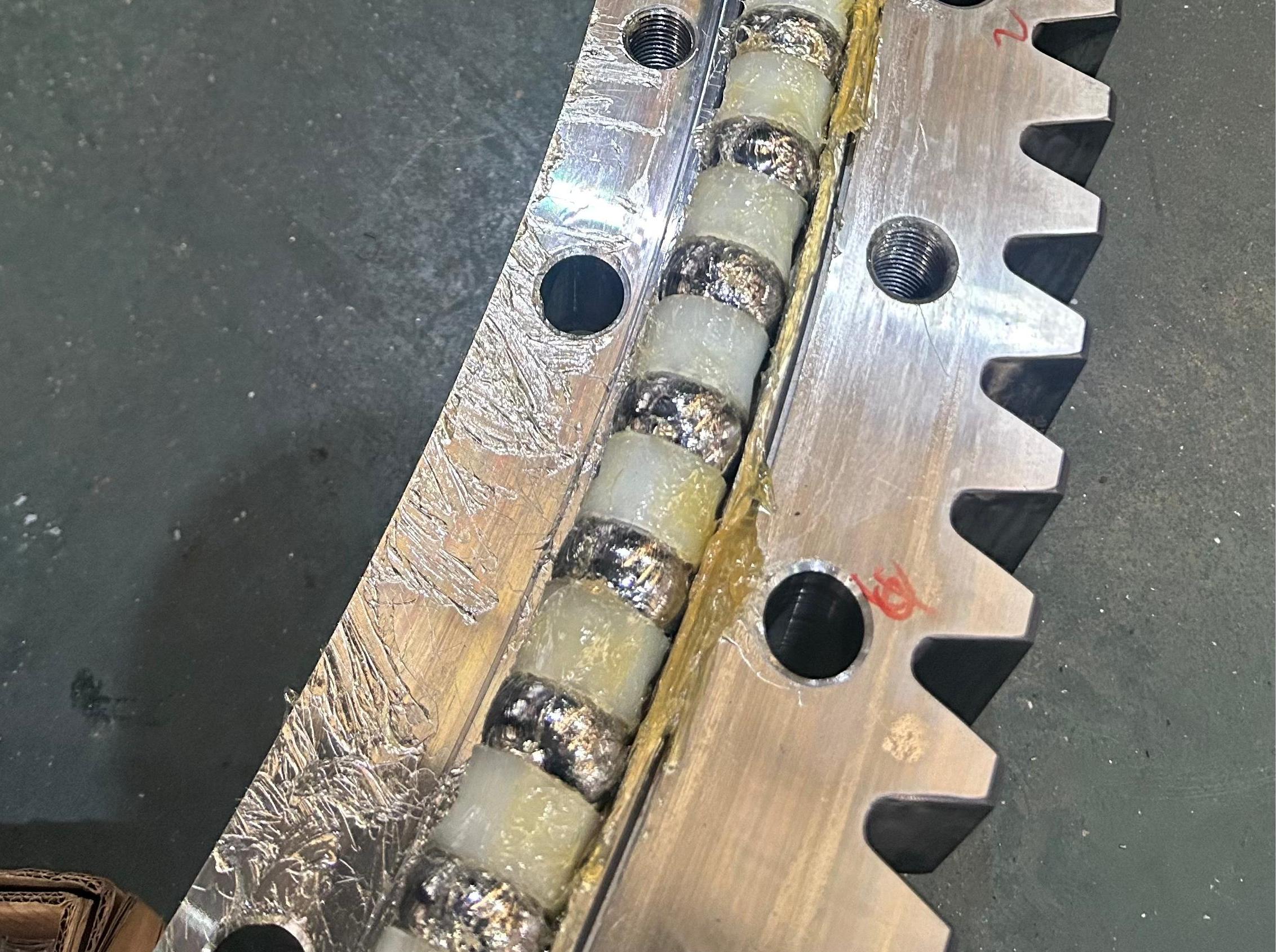
When a slewing bearing malfunctions, it can be repaired through the following methods: raceway repair, replacement of rolling elements, and replacement of seals.
LTZC Installation and Maintenance Technical Guidance for Slewing Bearings
1. The LTZC team provides enhanced technical guidance on slewing bearing installation, ensuring that installation meets equipment requirements.
2. LTZC offers professional bearing maintenance training, including lubrication management and equipment operation checks, helping customers establish a complete maintenance system.
3. Customized solutions: LTZC can customize large direct-slewing bearings and high-precision slewing bearings according to customer's operating conditions.
Contact LTZC for technical guidance