WhatsApp
 jessica.chai@ltzzc.com
 0086-379-69950051

How to Source Customized Slewing Bearings Without Costly Oversights
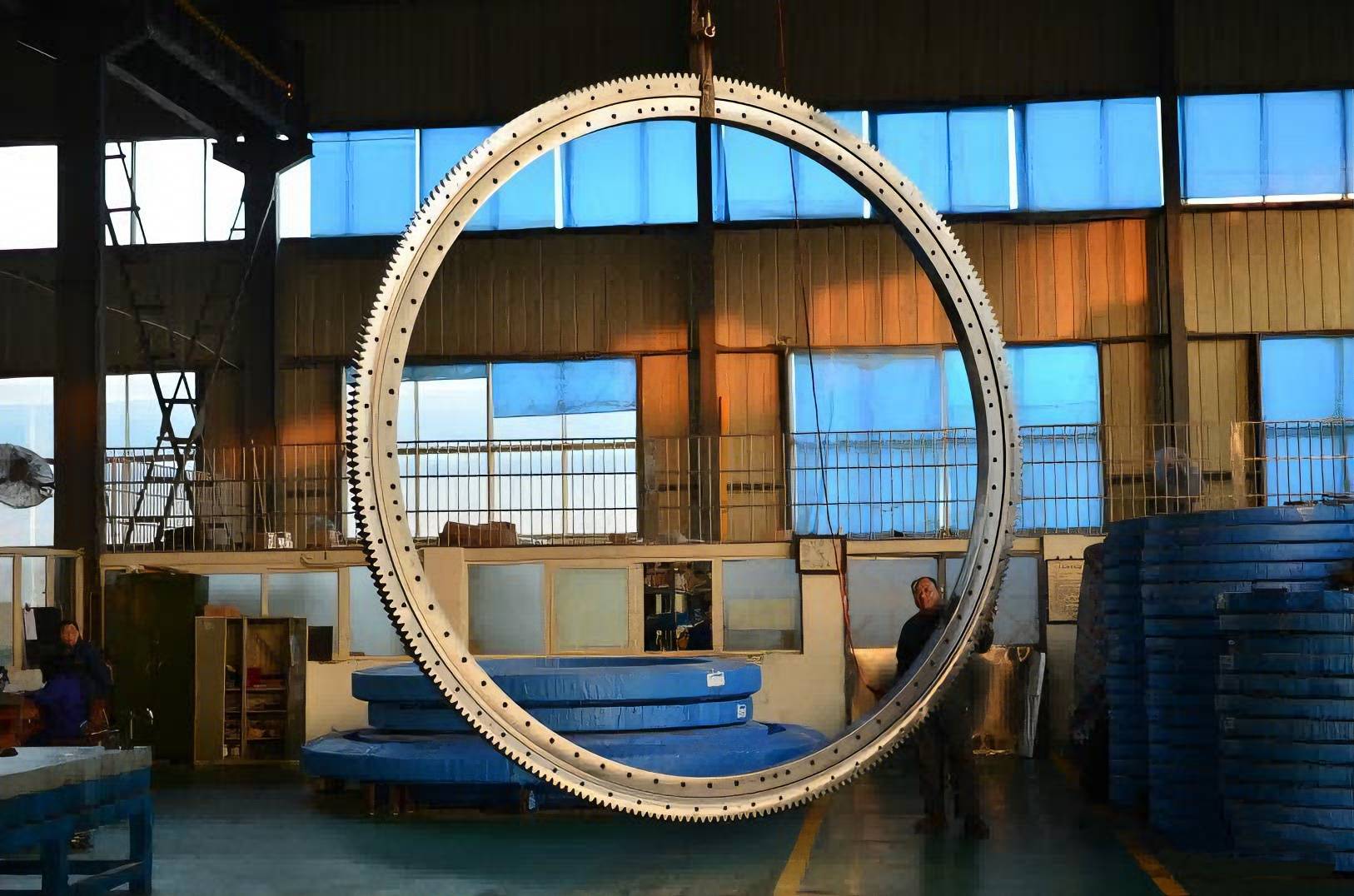
Submitting a Request for Quotation (RFQ) for a standard bearing is straightforward. Submitting one for Customized Slewing Bearings is a different process entirely, where missing a single detail in your initial inquiry can lead to incorrect pricing, extended lead times, or even a component that fails under load. Before you send that email, understanding what a high-precision manufacturer needs to know is the most critical step in mitigating project risk. An incomplete specification forces engineers to make assumptions, and those assumptions can become expensive problems later.
The goal is to provide a complete technical picture that allows for an accurate quote and a viable engineering solution from the start. This guide outlines the essential data points and answers common sourcing questions to streamline your procurement process and ensure you receive a component that precisely matches your application's demands. As a slewing bearing engineer, I've seen how a well-prepared RFQ accelerates the entire design and delivery cycle.
Key Technical Specifications to Define Before Your RFQ
A detailed specification is the foundation of any successful custom bearing project. Before contacting a custom bearing manufacturer, gather the following information. Providing this data upfront eliminates guesswork and allows our engineering team to design and quote accurately. Use this checklist to prepare your technical package.
Load Spectrum Data: Simply stating the load is not enough. We need to understand the full range of forces the bearing will encounter.
Axial Load (Fa): The thrust load acting parallel to the bearing's axis of rotation.
Radial Load (Fr): The load acting perpendicular to the axis of rotation.
Tilting Moment Load (M): The load that attempts to tilt the bearing rings relative to one another. Provide maximum and typical values for all loads.
Dimensional Constraints: Define the physical space the bearing must fit into.
Outer Diameter (OD)
Inner Diameter (ID)
Overall Height
Mounting hole pattern, size, and spacing requirements.
Gear Requirements: If your application requires a geared ring, specify the following details. This is a common area for clarification.
Gear Type: Internal, external, or non-geared.
Module (m) or Diametral Pitch (DP)
Number of Teeth (z)
Pressure Angle
Required Gear Quality Level (e.g., ISO, AGMA)
Operational and Environmental Conditions: The operating environment directly influences material selection, sealing, and lubrication choices.
Rotational Speed: Specify continuous and maximum RPM.
Duty Cycle: Is operation continuous, intermittent, or oscillating?
Operating Temperature Range: Minimum and maximum ambient temperatures.
Exposure to Contaminants: Will the bearing be exposed to dust, water, chemicals, or abrasive particles? This dictates the required sealing solution.
Precision and Performance Needs:
Rotational Accuracy: The required running accuracy or acceptable level of runout.
Stiffness/Rigidity: The degree to which the bearing must resist deflection under load.
Target Service Life: The desired operational lifetime in hours or rotations.
Having this information prepared will significantly speed up the quotation and design process. For complex applications, our engineers can assist in defining these parameters based on your machine's overall design, which is a core part of our service for non standard bearings.
Your RFQ Checklist: Answering a Manufacturer's Critical Questions
When you are ready to engage with a supplier, clarity on process and capabilities is essential. Here are direct answers to the most frequent questions we receive from new clients during the RFQ stage for custom slewing bearing solutions. We believe in transparency to help you make informed procurement decisions.
Sourcing & Production FAQ
What is your Minimum Order Quantity (MOQ)?
We have no MOQ. We support projects from a single prototype piece to full production runs. This flexibility allows you to test a custom design in your application without a large upfront commitment.
What is the typical production lead time?
Our standard delivery window is 30 to 90 days from the final drawing approval. The exact timeline depends on material availability, design complexity, and current production scheduling. We provide a specific delivery forecast with every formal quotation.
What technical drawing formats do you accept?
We can work with a wide range of formats. STEP, DWG, and PDF are the most common. We can also develop a new design based on your existing hardware, technical specifications, and detailed working conditions.
What are your capabilities for custom gear ring machining?
We machine internal and external gears as an integral part of our slewing rings. Our capabilities cover a wide range of modules, pressure angles, and precision requirements. We also produce standalone slewing ring gear components based on customer drawings.
What inspection reports and documentation are included?
Every order is accompanied by a complete quality documentation package. This typically includes material certificates, heat treatment reports, dimensional inspection reports, and a certificate of conformity. Our processes are governed by our ISO9001:2015 certified quality management system to ensure full traceability and consistent quality.
Can you produce a prototype before a full production order?
Yes. We frequently produce single-piece or small-batch prototypes for fitment checks and functional testing. The prototype process follows the same rigorous design and quality assurance steps as a full production run.
Common Mistakes in Custom Bearing Specification and How to Avoid Them
Specifying a custom bearing involves balancing performance, cost, and lead time. Certain common missteps can complicate this balance. Based on my decade of experience helping clients, here are four frequent errors and how to prevent them.
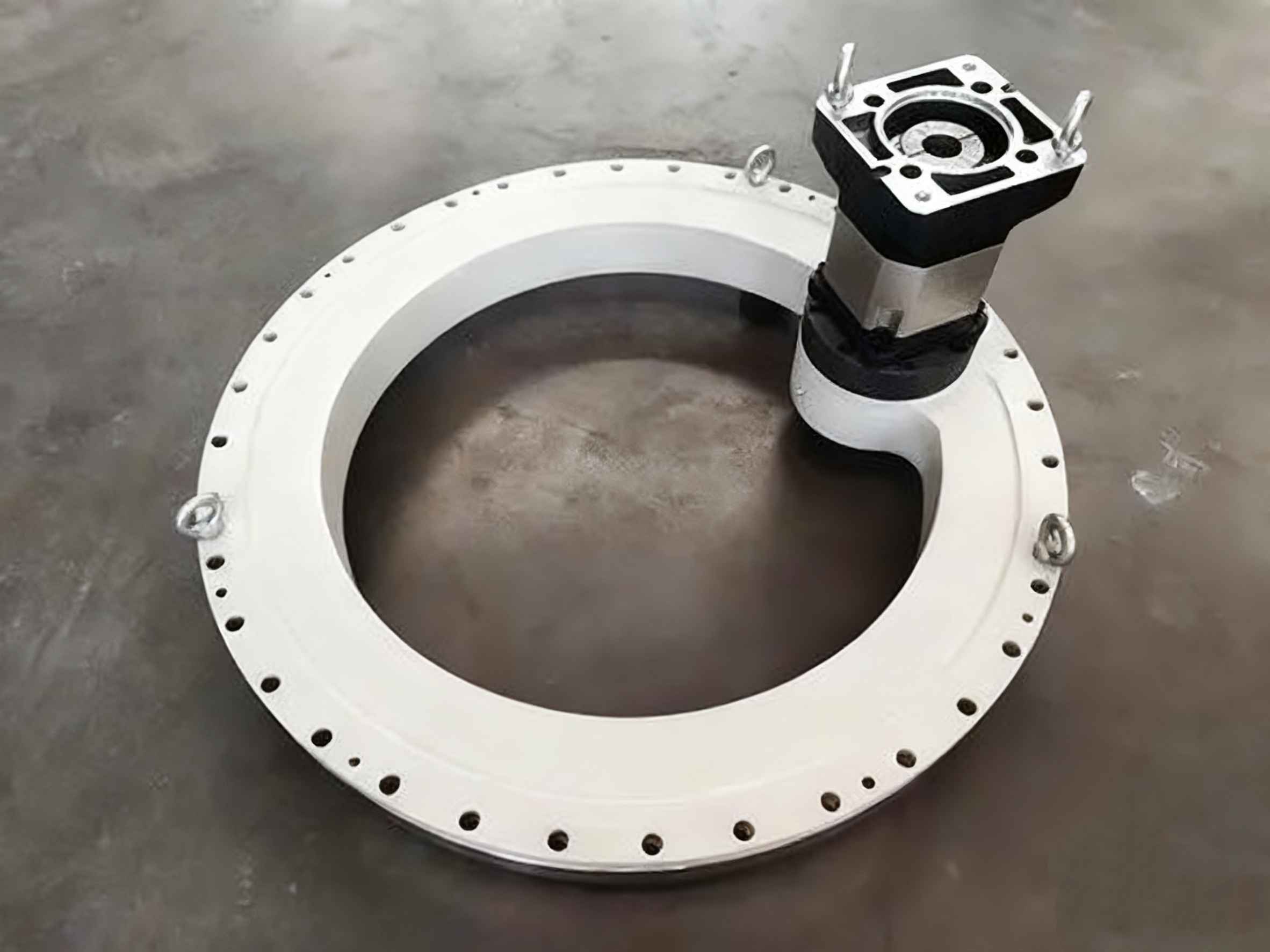
Mistake 1: Over-specifying Tolerances and Precision
The Problem: Requesting the highest possible precision class when the application does not require it. Tighter tolerances on runout, gear quality, and dimensions increase manufacturing complexity, inspection time, and ultimately, cost.
The Solution: Clearly define the actual required running accuracy for your system. Is a standard precision precision slewing bearing sufficient, or is a higher grade genuinely needed for positioning accuracy? Consult a bearing selection guide or our engineers to match the precision to the function, not just defaulting to the highest grade.
Mistake 2: Neglecting Sealing Arrangements
The Problem: Treating seals as an afterthought. An inadequate sealing solution is the primary cause of premature bearing failure in contaminated environments. Contaminants like dust, dirt, or moisture degrade the lubricant and damage the raceways.
The Solution: Detail the operating environment in your RFQ. Specify if the bearing will be exposed to fine dust, water spray, chemical splashes, or extreme temperatures. This allows the manufacturer to recommend the appropriate seal material (e.g., NBR, Viton) and profile (e.g., double-lip, labyrinth) to protect the bearing's internal components.
Mistake 3: Incomplete Load Data
The Problem: Providing only average or typical loads while omitting peak or shock loads. A bearing designed for an average load may fail catastrophically when subjected to an unexpected maximum force during operation.
The Solution: Always provide the full load spectrum, including maximum static and dynamic loads, even if they occur infrequently. This ensures the bearing is engineered with an adequate safety factor to handle the true worst-case scenario, preventing brinelling of the raceways and ensuring long-term reliability.
Mistake 4: Disregarding Material and Coating Options
The Problem: Defaulting to standard bearing steel (like 42CrMo or 50Mn) for applications in corrosive or extreme temperature environments. Standard steel will quickly degrade, leading to premature failure.
The Solution: Specify any environmental challenges. For marine or chemical applications, stainless steel or specialized coatings (like zinc plating or phosphating) may be necessary. For high-temperature applications, material composition and heat treatment stabilization are critical considerations. We can propose the ideal material based on your stated working conditions.
Understanding the Customization Process From Drawing to Delivery
Turning a technical drawing into a finished, high-performance component requires a structured and transparent process. At LTZC, we ensure our clients are informed at every stage. Our entire manufacturing workflow is certified under ISO9001:2015, ISO14001:2015, and ISO45001:2018 standards, with additional certifications from CCS and ABS available for specific industry requirements.
Initial Consultation and Specification Review: The process begins when you submit your RFQ with drawings and operational data. Our engineering team reviews the package for completeness and may ask clarifying questions to fully understand the application's demands.
Engineering Design and Proposal: We develop a preliminary design proposal. This includes a detailed technical drawing for your approval, material specifications, a calculated performance and life rating, and a formal quotation with a projected lead time.
Client Approval and Manufacturing Kick-off: Once you review and approve the final design drawings, the order is released to our production floor. Raw materials are procured and certified, and the manufacturing process begins with forging, turning, and gear cutting.
Heat Treatment and Precision Grinding: The bearing raceways and gear teeth undergo a precise heat treatment process to achieve the required surface hardness and core toughness. This is followed by precision grinding of the raceways to achieve the specified profile and accuracy.
Quality Assurance and Assembly: Throughout the process, components are inspected to ensure they meet dimensional and material specifications. The final assembly, including the installation of rolling elements, cages, and seals, is performed in a controlled environment. A final inspection verifies running torque and accuracy.
Packaging and Logistics: The finished bearing is preserved, carefully packaged to prevent damage during transit, and shipped to your facility. All required quality and certification documents are sent with the shipment.
This structured approach ensures that every custom bearing we produce is built to specification and backed by a fully traceable quality record.
Authored by Jessica.chai, Slewing Bearing Engineer
With 10 years of dedicated experience in sales and after-sales service for slewing bearings, slew drives, and thin-section bearings, I deliver robust engineering solutions and reliable technical support to global industrial clients, ensuring optimal performance and long-term partnership value.
To begin the process for your own customized slewing bearings, please send your drawings and operating conditions to our engineering team for a detailed review and quotation.