WhatsApp
 jessica.chai@ltzzc.com
 0086-379-69950051

Effective Slewing Bearing Maintenance Grease Purging to Prevent Failures
As a slewing bearing engineer, I've seen firsthand how a simple task like lubrication can determine the operational life of heavy machinery. When a technician tells me a bearing is noisy or stiff, the first question is always about the grease. The state of the purged grease—or the lack of it—is one of the most direct indicators of a bearing's internal health. Proper slewing bearing maintenance isn't just about adding new grease; it's about correctly interpreting what comes out. Misdiagnosing the signs during a grease purge can lead to unplanned downtime and, eventually, catastrophic failure.
This guide moves beyond simple lubrication schedules. It provides a diagnostic framework to help you distinguish between a healthy grease purge and the warning signs of contamination, blockages, or seal failure. Understanding these differences is key to taking the right corrective action before minor issues cause irreversible raceway damage to your precision slewing bearing.
Establishing a Baseline: What a Healthy Grease Purge Looks Like
Before you can identify a problem, you must know what "normal" looks like. A healthy grease purge is a fundamental step in effective slewing bearing lubrication. The goal is to displace the old, service-used grease with a fresh supply, carrying away contaminants and moisture that have accumulated in the raceways.
During a slow and steady lubrication process, you should observe the following:
- Even Distribution: Old grease should form a consistent, even bead around the entire circumference of the seal (both inner and outer seals, where applicable).
- Slight Resistance: You should feel steady back-pressure from the grease gun. A sudden lack of resistance or an extremely high pressure required to pump grease are both warning signs.
- Consistent Color: The purged grease will be darker than the new grease, but its color should be relatively uniform. Streaks of metal, black sludge, or a milky appearance indicate problems.
This process confirms that grease paths are clear and the bearing is being fully lubricated. Any deviation from this baseline suggests an underlying issue that requires investigation. Simply adding more grease without diagnosing the cause is a common and costly mistake.
A Diagnostic Troubleshooting Guide for Grease-Related Issues
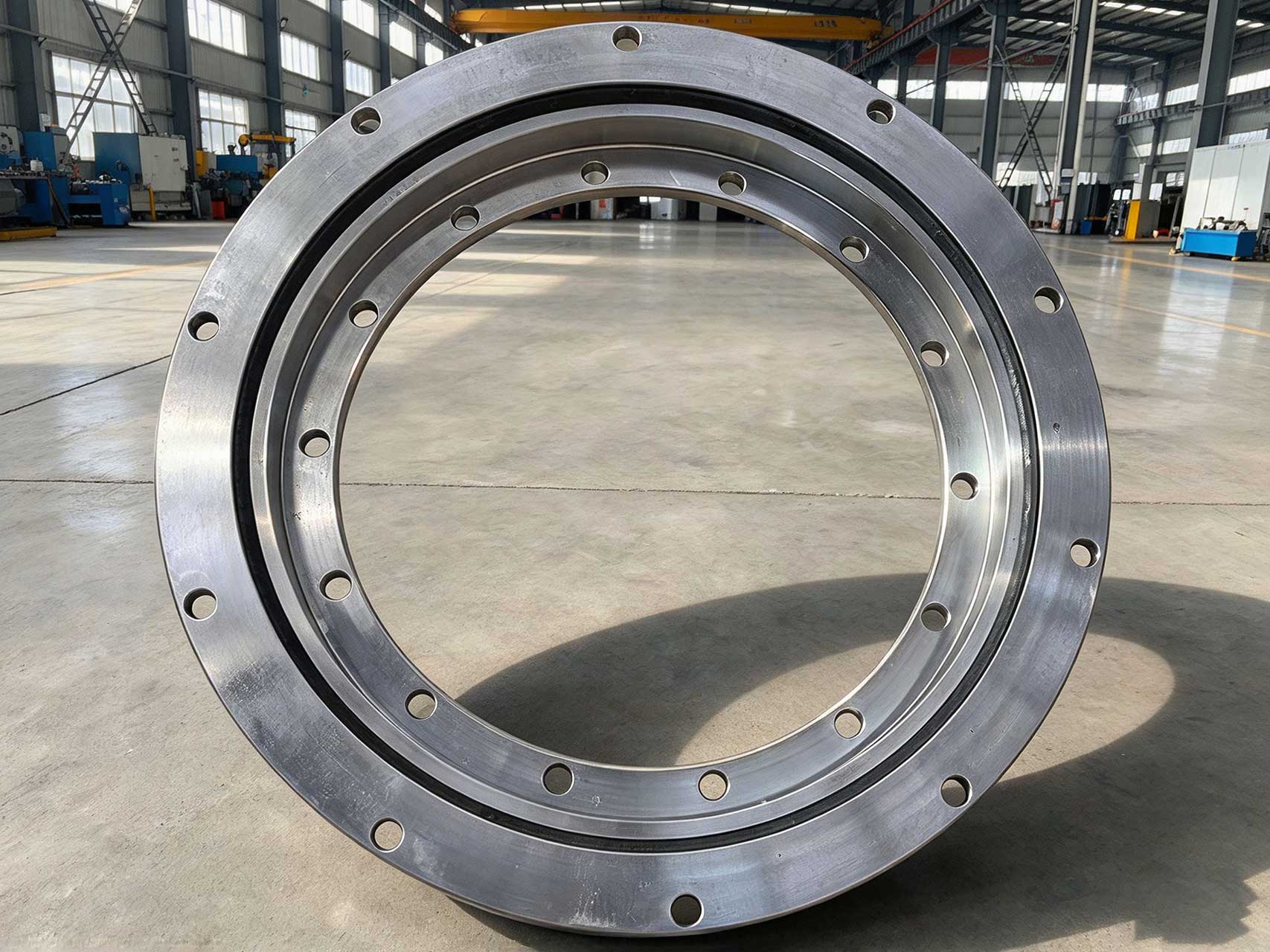
When a grease purge doesn't go as expected, it's a direct signal from the bearing. Do not ignore it. Use this symptom-to-action table to diagnose the problem systematically before it escalates. This approach helps separate issues like simple blockages from more serious problems like seal failure or internal contamination.
| Observed Symptom | Most Likely Cause(s) | Immediate Diagnostic Check | Corrective Action & Next Step |
|---|---|---|---|
| No grease purges from the seal, or extreme pressure is required. | 1. Blocked grease fitting (zerk). 2. Hardened grease in the lubrication channel. 3. Over-greasing has created a hydraulic lock. |
Remove the fitting. Check if grease can be pumped through the fitting itself. Carefully try to clear the port with a soft tool (brass or plastic pick). | If the fitting is blocked, replace it. If the channel is blocked, you may need to rotate the bearing while slowly adding grease to help break it up. If unsuccessful, stop and consult technical support. Do not increase pressure excessively. |
| Grease purges from only one section of the seal. | 1. Blocked internal grease path. 2. Damaged or unseated seal in the non-purging section. 3. Uneven load distribution causing seal deformation. |
Visually inspect the entire seal for visible damage, tears, or gaps, especially in the area where grease is not purging. Check mounting bolt torque to ensure even clamping force. | If the seal is visibly damaged, schedule a replacement. If bolts are loose, re-torque to specification. If the path remains blocked, the issue may be internal and requires expert fault diagnosis. |
| Purged grease is watery, milky, or contains visible debris (metal flakes, rust, dirt). | 1. Seal failure allowing contaminant ingress. 2. Incorrect washing procedure (high-pressure water directed at seals). 3. Advanced internal wear (spalling). |
Collect a sample of the purged grease for analysis. Inspect the seal integrity and the surrounding environment for sources of contamination. Use a magnet to check for ferrous metal particles. | Immediately increase lubrication frequency to flush contaminants. If significant metal is present, the bearing has likely sustained damage; take it out of service for inspection. Identify and fix the source of contamination (e.g., replace damaged seal, change washing procedures). |
| Excessive grease leakage from seals, even when not lubricating. | 1. Over-greasing (too much volume or too frequent). 2. Seal compatibility issue with the grease type. 3. Worn or damaged seals. |
Review the equipment's lubrication schedule (volume and frequency). Verify that the grease type is compatible with the seal material (e.g., NBR, Viton). | Adjust the lubrication volume and interval to match the manufacturer's recommendation. If leakage persists after adjustment, inspect seals for wear or damage and plan for replacement. |
Common Mistakes in Slewing Bearing Lubrication
From my decade of experience providing after-sales service, I've found that most lubrication-related failures are preventable. They often stem from a few common, easily corrected mistakes. Avoiding these pitfalls is a critical part of any effective slewing bearing maintenance program.
- Using the Wrong Grease: Not all EP-2 greases are the same. Factors like base oil viscosity, thickener type, and additive packages must match the application's load, speed, and temperature. Using an incompatible grease can lead to poor film strength, oil separation, or seal degradation.
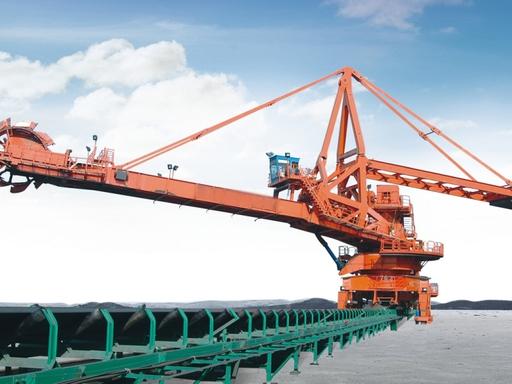
- Inconsistent or Incorrect Intervals: Lubrication is not a "set it and forget it" task. Intervals should be adjusted based on operating conditions. A bearing in a wet, dirty environment like those found in Mining and metallurgy slewing bearings requires more frequent attention than one in a clean, indoor setting.
- Lubricating a Stationary Bearing: Always add grease while slowly rotating the bearing. This ensures the grease is distributed evenly throughout the raceway and rolling elements. Lubricating a static bearing can create pockets of unlubricated space and lead to false brinelling.
- Mixing Incompatible Greases: Mixing greases with different thickeners (e.g., lithium complex with calcium sulfonate) can cause the mixture to soften, leading to oil bleed and a loss of lubrication effectiveness. If you must change grease types, purge the old grease completely.
- Ignoring the Gear Lubrication: For geared slewing rings, the gear teeth require their own specific lubricant, which is often a heavier, more adhesive open gear compound. Neglecting the slewing ring gear leads to rapid pitting and tooth wear.
The Foundation of Reliability: Custom Design and Material Quality
While proper maintenance is essential, the long-term reliability of a slewing bearing begins with its design and manufacturing. At LTZC, we believe in building maintainability into our products from the start. Our facility is certified to ISO9001:2015, ISO14001:2015, and ISO45001:2018 standards, ensuring every bearing is produced with strict quality control.
The choice of material is fundamental. We select materials based on your specific working conditions to maximize wear resistance and durability:
- GCr15 (SUJ2): The standard for high hardness and wear resistance, ideal for most ball and roller bearings.
- 42CrMo: A high-strength alloy steel used for bearings under heavy or shock loads, common in cranes and excavators.
- AISI 440C: A stainless steel option for applications requiring good corrosion resistance, such as in marine environments.
Our engineering capability allows us to produce Customized Bearings that meet extreme demands. For instance, in 2024, we delivered an integral three-row roller slewing ring with a massive 10.87-meter outer diameter for a 2,000-ton fixed lifting application. A bearing of this scale demands a design that guarantees effective lubrication across its entire circumference to function reliably. Similarly, our successful production of an 8.445-meter integrated bearing for a South Korean crane client highlights our ability to engineer large, high-precision components that are built to last.
When to Escalate: Professional Fault Diagnosis and Support
Even with the best maintenance practices, some situations require deeper analysis. If your troubleshooting points to potential internal damage, or if the problem persists after corrective actions, it is time to seek professional support. Continuing to operate a potentially damaged bearing risks a complete failure and extensive damage to surrounding equipment.
At LTZC, we provide full after-sales support to ensure the long-term, stable operation of your equipment. This is not just a warranty; it's a partnership. Our services include:
- Bearing Installation Guidance: Correct installation is the first step to a long service life. We offer expert guidance to ensure proper mounting and preloading.
- Preventive Maintenance Training: We can train your team on best practices for lubrication, inspection, and bolt tensioning.
- Fault Diagnosis and On-Site Support: For complex issues, our engineers are ready to assist. We offer a response to quality objections within 24 hours and can dispatch on-site service within 48 hours in China. This rapid response minimizes your downtime and helps you get clear answers quickly.
If you encounter a persistent issue with your slewing bearing, document your observations—including photos of the purged grease, operating noise, and any resistance felt—and contact our technical team. Providing detailed information helps us diagnose the problem more effectively.
For further assistance with your slewing bearing application or to discuss a new project, please contact our engineering team to review your technical specifications.