WhatsApp
 jessica.chai@ltzzc.com
 0086-379-69950051

In heavy machinery such as cranes, excavators, and wind turbines, which need to withstand heavy loads and perform rotational or oscillating movements, slewing bearings or slewing rings play a crucial role. These bearings are installed in the rotating parts of the equipment to reduce friction, allowing the equipment to operate smoothly and efficiently even under heavy loads. Understanding the working principles, types, and required maintenance of these bearings is essential for anyone involved in operating heavy machinery.
What is a Slewing Bearing?
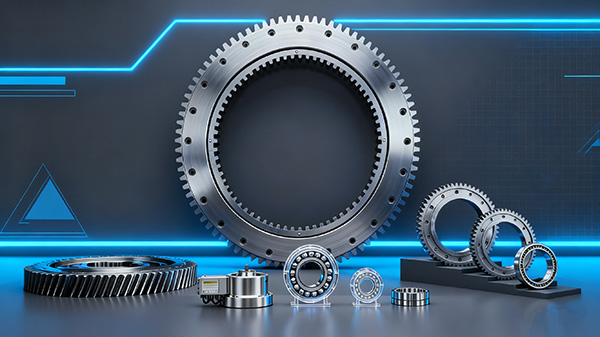
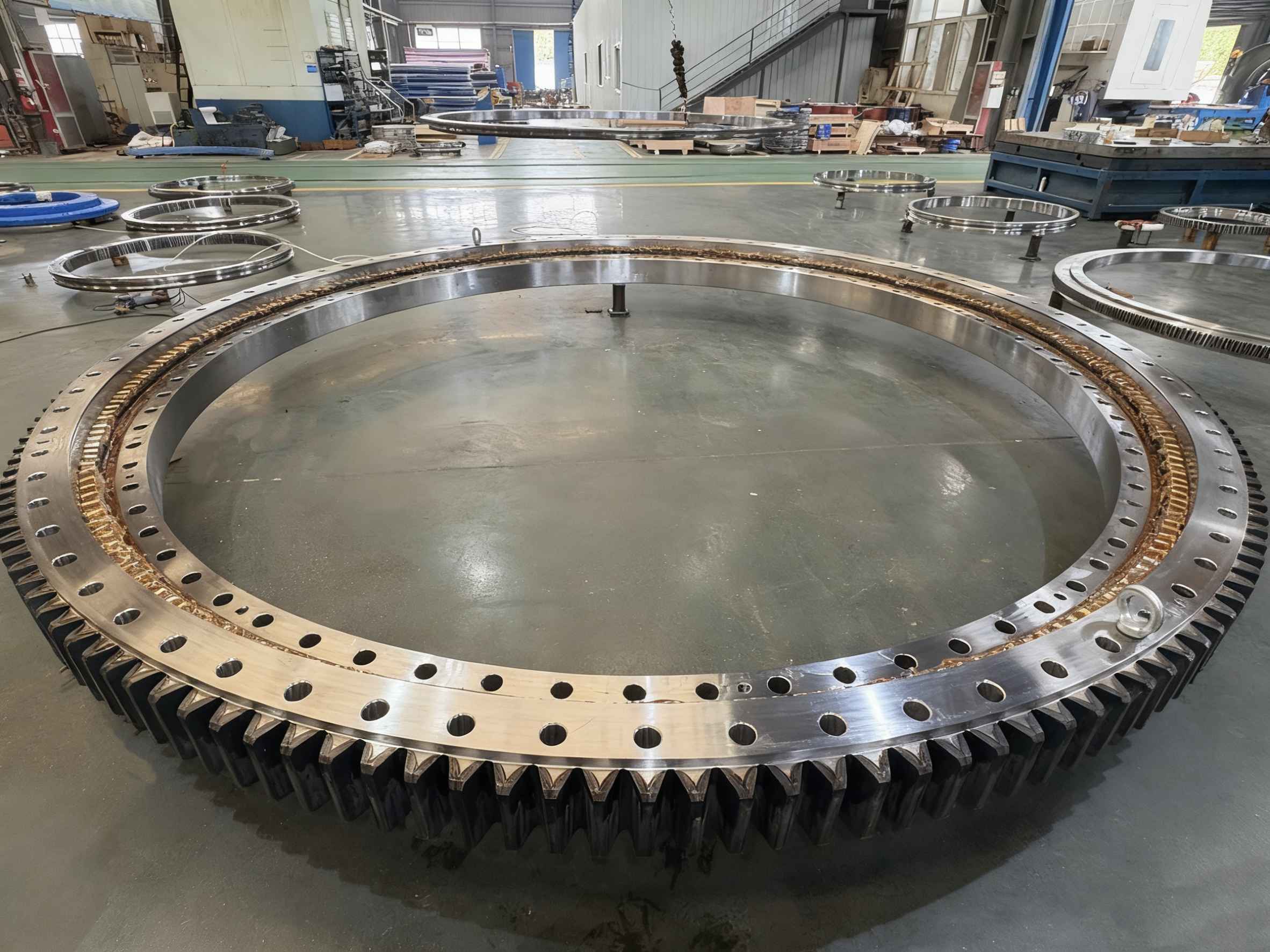
A slewing bearing is a large bearing designed to accommodate both axial (thrust) and radial (side) loads, along with moment loads (torque). Unlike smaller bearings that only handle radial or axial loads individually, slewing bearings are designed to handle a combination of these forces simultaneously, making them ideal for applications where rotation is required.
Slewing bearings are composed of three main parts:
Inner Ring: The part that connects to the rotating element (e.g., the turntable of an excavator or crane).
Outer Ring: The stationary part that is mounted on the base or chassis of the machinery.
Rolling Elements: The balls or rollers that roll between the inner and outer rings, facilitating the smooth rotation.
They are often used in equipment such as cranes, excavators, rotary tables, and other large machinery where precision and support under heavy loads are critical.
What Types of Slewing Bearings?
Slewing bearings come in several different types, each designed to cater to specific operational requirements. The most common types include:
Single-row ball slewing bearings: These bearings have one row of rolling elements, typically balls, and are suitable for lighter loads and high-speed applications.
Double-row ball slewing bearings: Featuring two rows of balls, these bearings offer higher load capacity and are ideal for applications where both axial and radial loads need to be supported simultaneously.
Crossed roller slewing bearings: In this type, cylindrical rollers are arranged in a crisscross pattern. This arrangement provides higher rigidity and can support both axial and radial loads, as well as moment loads.
Three-row roller slewing bearings: These are the most robust and are typically used in very heavy-duty applications. They feature three rows of rolling elements (usually rollers) and are suitable for large cranes, excavators, and other heavy equipment.
What do slewing rings reduce friction?
1. Rolling Elements:
Slewing rings utilize rolling elements, such as balls or rollers, which rotate between the inner and outer rings of the bearing. These rolling elements help minimize direct contact between metal surfaces, and using high-quality rolling elements appropriately reduces friction between the rolling elements and the raceways.
2. Bearing Lubrication:
Slewing bearings are typically designed with grease ports for manual or automatic lubrication. The lubricant forms a protective layer between the rolling elements and the raceways, further reducing friction. Regular lubrication minimizes wear and helps maintain lower operating temperatures.
3. Regular Cleaning and Inspection:
Check the bearing surface for smoothness and cracks; check for noise or unusual sounds during bearing operation; check for loose bolts or damaged seals. Repair any problems promptly to avoid serious wear.
4. Corrosion Prevention:
Corrosion is another factor that can increase friction and lead to premature failure. For equipment operating in corrosive environments (such as offshore operations or high-humidity areas), using corrosion-resistant materials and protective coatings is crucial for extending bearing life.
5. Temperature Control:
Slewing bearings can generate heat due to friction, load, and prolonged operation. Maintaining appropriate operating temperatures is critical for bearing performance. Ensure the bearing does not experience excessive temperatures, as this can cause lubricant breakdown and damage to bearing components.
Summary
Slewing bearings primarily reduce friction through the use of rolling elements, lubrication, and precision design that ensures smooth and even load distribution. These bearings play a crucial role in ensuring the efficient operation of large rotating machinery, reducing the risk of excessive wear, overheating, and mechanical failure.
Download LTZC bearing installation and maintenance
Contact LTZC bearings for technical support;