How LTZC Helped a Crane Manufacturer Resolve Premature Bearing Wear Issues
Common Faults of Crane Slewing Bearings
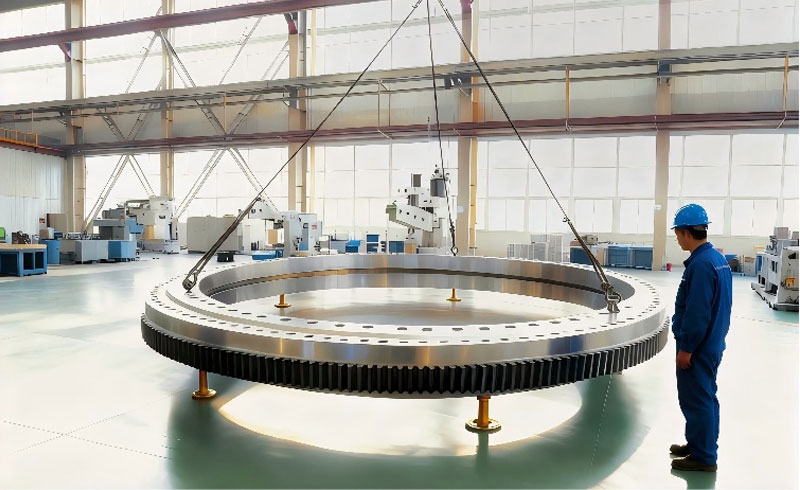
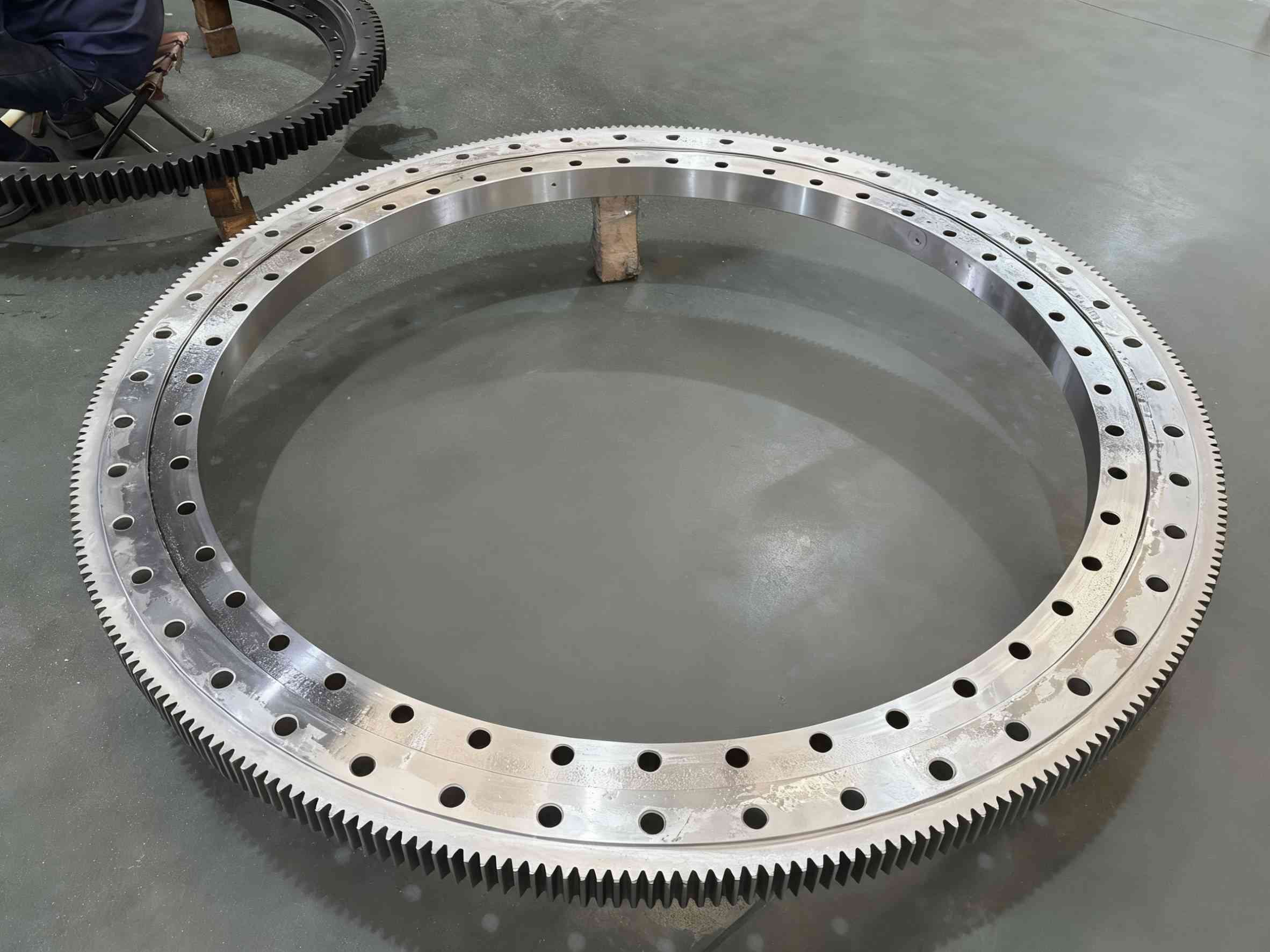
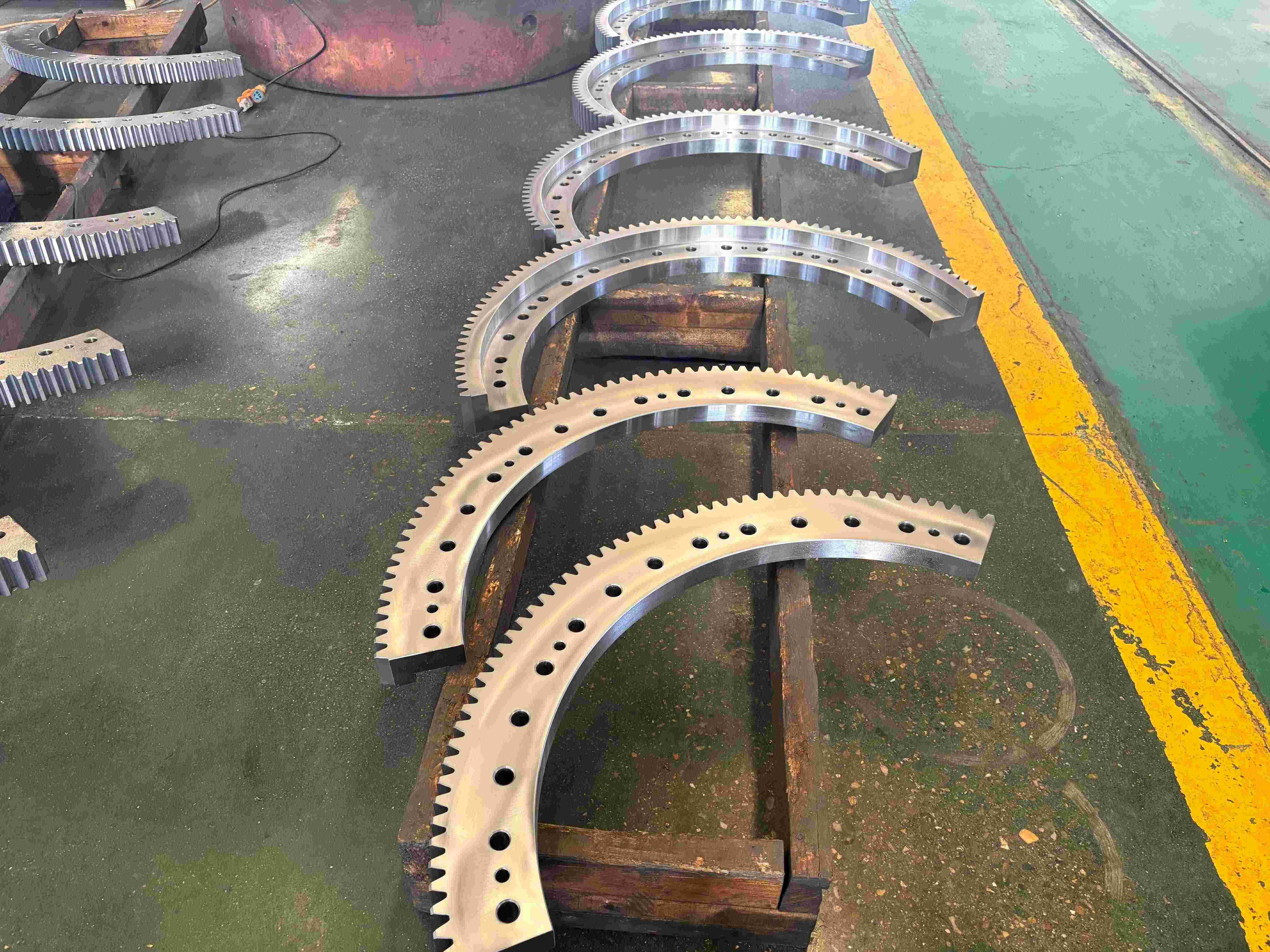
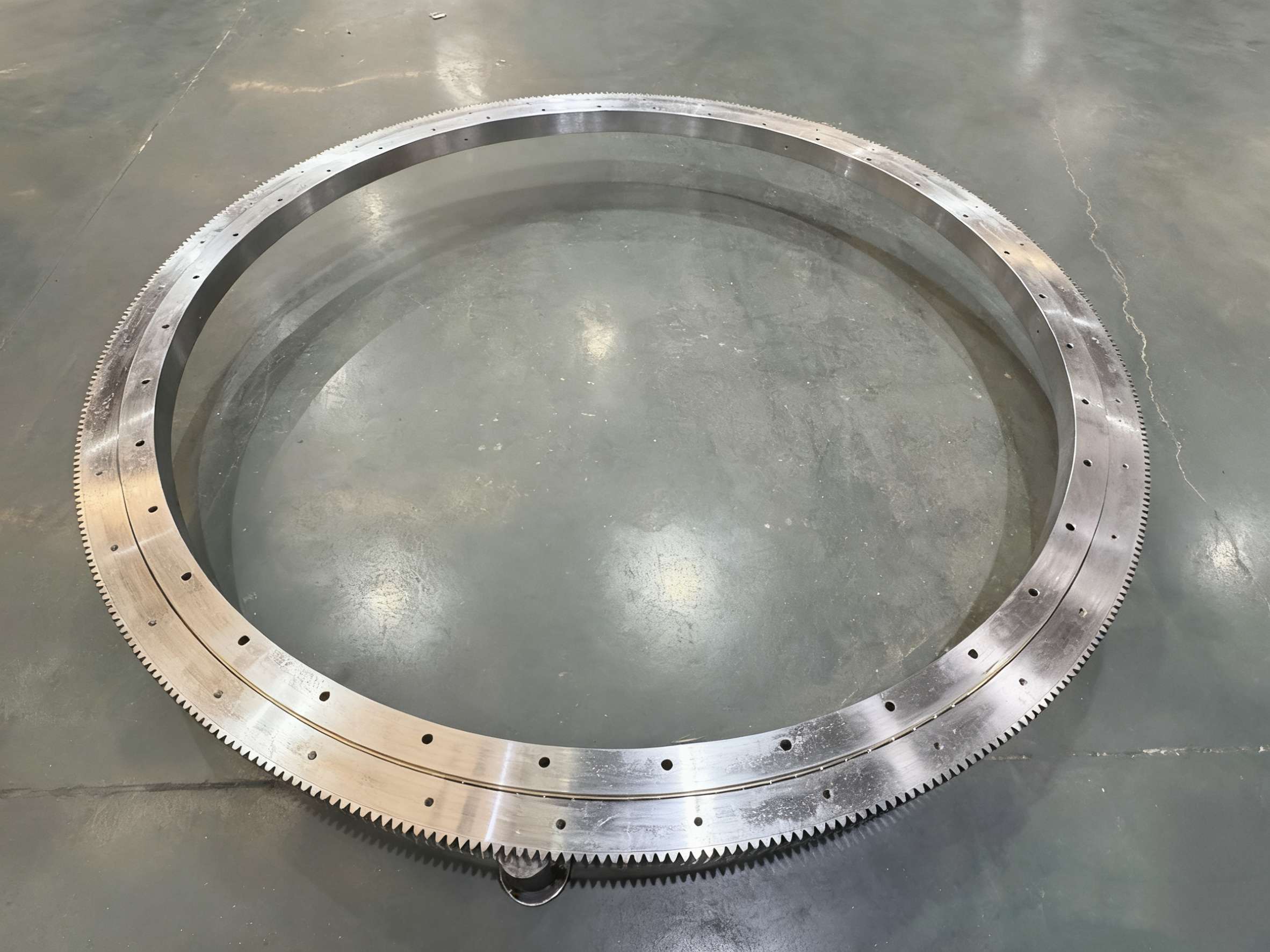
Crane slewing bearings frequently face high-intensity operating conditions, requiring long-term, continuous operation in environments characterized by high dust levels, heavy impact, and extreme loads. As a critical core rotating component within crane equipment, the slewing bearing facilitates the machine's 360-degree rotation while supporting immense loads; consequently, its performance dictates the crane's overall stability, safety, and service life. However, many crane manufacturers encounter a persistent and vexing issue in their actual operations: premature bearing wear.
While the equipment is originally designed for a service life of five—or even eight—years or more, certain projects begin to exhibit the following anomalies after operating for just a few months:
Significantly increased abnormal noise during slewing operations;
Severe wear on the gear ring, resulting in rough or uneven meshing;
Difficulty initiating slewing movements, accompanied by elevated torque levels;
Increased bearing clearance, leading to a decline in hoisting precision;
Seal damage, resulting in grease leakage;
Raceway spalling (flaking), potentially necessitating equipment downtime for repairs.
Such issues not only inflict direct financial losses upon the end customer but also tarnish the brand reputation of the crane manufacturer, drive up after-sales service costs, and—in extreme cases—result in the loss of market competitive advantage.
As a specialized manufacturer of slewing bearings, LTZC leverages its extensive experience in designing large-scale bearings, its rigorous manufacturing protocols, and its global customer service capabilities to assist numerous crane manufacturers in resolving issues related to premature bearing wear—thereby extending equipment service life, reducing after-sales support costs, and enhancing the overall performance of the finished machinery.
I. Client Background: The Dilemma of a Mid-to-Large-Scale Crane Manufacturer
The client is an equipment manufacturer specializing in wheeled cranes, tower cranes, and port cranes. Their products are primarily exported to markets in Southeast Asia, the Middle East, and South America. Having recently launched a new project, the client sought a high-quality yet cost-effective slewing bearing, as well as a reliable slewing bearing supplier for a long-term partnership. Based on the client's feedback regarding the market performance of their crane equipment, it became apparent that—as sales volumes increased—they began to receive frequent complaints from end-users:
1. Slewing Abnormalities Occurring Within One Year of Operation
After 8 to 12 months of operation, the majority of the equipment began to exhibit various adverse symptoms, including jerky slewing motions, increased abnormal noise, pronounced impact shocks during startup, and a decline in positioning accuracy.
2. Abnormal Rate of Gear Ring Wear
Upon taking the equipment out of service for disassembly and inspection, technicians discovered pitting on the gear ring's tooth surfaces, severe wear at the tooth roots, and poor gear meshing.
3. Rapidly Rising After-Sales Costs
Each year, the client was compelled to bear significant expenses, including on-site disassembly and repair costs, the cost of shipping spare parts overseas, and financial compensation for losses incurred due to equipment downtime.
4. Diminishing Market Competitiveness
Consequently, some end-users began to switch to equipment from competing brands. The client realized that unless the issue regarding bearing service life was resolved, it would severely jeopardize the company's future growth. As a result, the client contacted LTZC, seeking a comprehensive system-level solution rather than merely a replacement set of bearings.
Get a Quote
 WhatsApp
 Eric.wang@ltzzc.com
 0086-379-69950051